

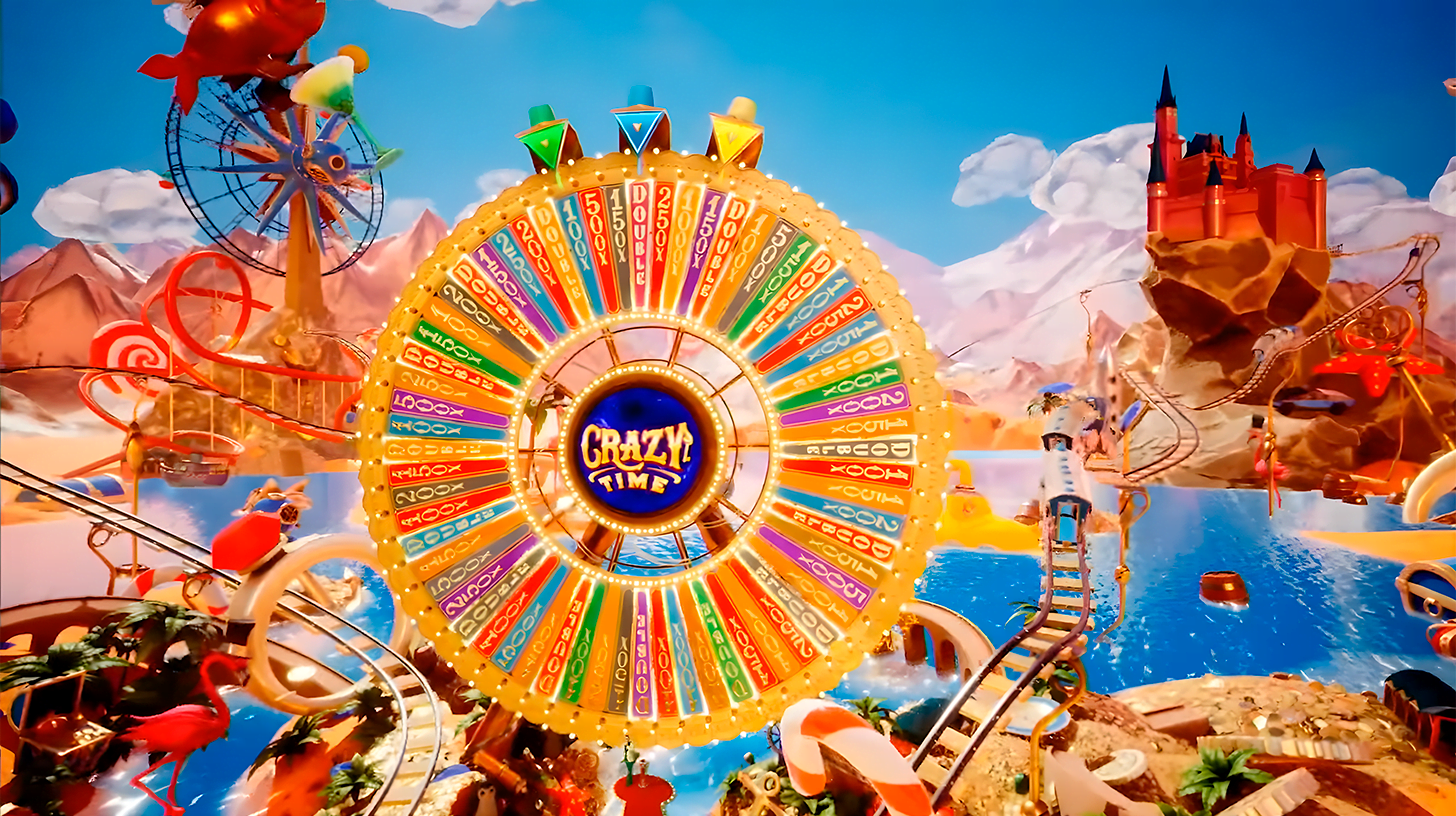
There was a time when late-night emotions were expressed through poetry, messages, or silent scrolling. Today, the way people experience feelings hasn’t changed — but the medium has. Many now turn to interactive digital experiences like Crazy Time to feel something intense, unpredictable, and real in the moment.
At first glance, it may seem like just another online game. But once you watch a few rounds, it becomes clear: this isn’t only about winning or losing — it’s about emotion.
The Same Emotions, Just a New Format
Think about what makes a good piece of shayari powerful. It captures uncertainty, anticipation, highs, and lows — all within a few lines. In many ways, modern entertainment is evolving toward delivering those same emotional spikes, just faster and more interactively.
Games like Crazy Time replicate that emotional rhythm in real time. One moment feels calm and predictable, the next explodes into excitement. The spinning wheel, the anticipation before it stops, and the sudden outcome — all of it creates a sequence of emotions that mirrors real-life experiences.
And people are clearly drawn to it. In fact, Crazy Time became the most played live dealer game in 2024, with over 350,000 average hourly players worldwide . That’s not just popularity — it’s a sign of how strongly people connect with this format.
Why the Experience Feels So Intense
Unlike traditional games, Crazy Time is designed like a live show. There’s a host, a colorful stage, and a constantly moving wheel. It feels closer to watching a TV game show than playing a standard casino game.
This format matters. Humans respond more emotionally to live, unpredictable environments. When you see something happening in real time — especially with others watching — the emotional impact becomes stronger.
The structure of the game amplifies this feeling:
- Every spin carries uncertainty
- Bonus rounds appear unpredictably
- Multipliers can suddenly change everything
Statistically, players have about a 1 in 6 chance of triggering a bonus round , which keeps the experience engaging without making it predictable. You’re never completely in control — and that’s exactly what makes it exciting.
The Psychology Behind the “Rollercoaster”
There’s a reason why people describe games like Crazy Time as addictive or thrilling. It taps into the same psychological triggers as music, storytelling, and even relationships.
The key factor is anticipation.
When the wheel spins, your brain starts predicting outcomes. As it slows down, tension builds. This anticipation releases dopamine — the same chemical linked to excitement and reward.
Then comes the result. Whether it’s a win, a near miss, or a bonus round, the emotional release follows immediately. That cycle — anticipation → tension → outcome — repeats again and again.
This is why many players don’t just play for money. They play for the feeling.
A Shift in How People Relax
Entertainment habits are changing globally, especially in regions like South Asia where mobile-first consumption is dominant. People are moving away from passive formats toward something more interactive.
Instead of just watching content, they want to participate.
Live casino games fit perfectly into this shift. They are:
- Fast-paced
- Visually engaging
- Available 24/7 across devices
Crazy Time, in particular, blends gaming with performance. It’s not surprising that it generates significant engagement — some reports suggest it can account for around 30% of live casino revenue on certain platforms .
That level of attention doesn’t come from mechanics alone. It comes from how the experience makes people feel.
More Than Just a Game
At its core, Crazy Time is a mix of chance and entertainment. Developed by Evolution AB, it combines elements of traditional gambling with modern streaming technology, creating a hybrid format that appeals to a wide audience.
But what really makes it stand out is not the design or the payouts — it’s the emotional journey.
Each round feels like a short story:
- A beginning (placing your bet)
- A build-up (the spinning wheel)
- A climax (the result)
Sometimes it ends quietly. Sometimes it explodes with excitement. Either way, it keeps people engaged.
The New Language of Emotion
Years ago, people expressed emotions through poetry, songs, or conversations. Today, those expressions still exist — but they’re being complemented by new digital experiences.
Games like Crazy Time don’t replace traditional forms of expression. Instead, they offer another way to feel something instantly, without waiting.
And maybe that’s why they resonate so strongly.
Because in a fast-moving world, people aren’t just looking for entertainment. They’re looking for moments — short, intense, and unpredictable — that make them feel alive.
