

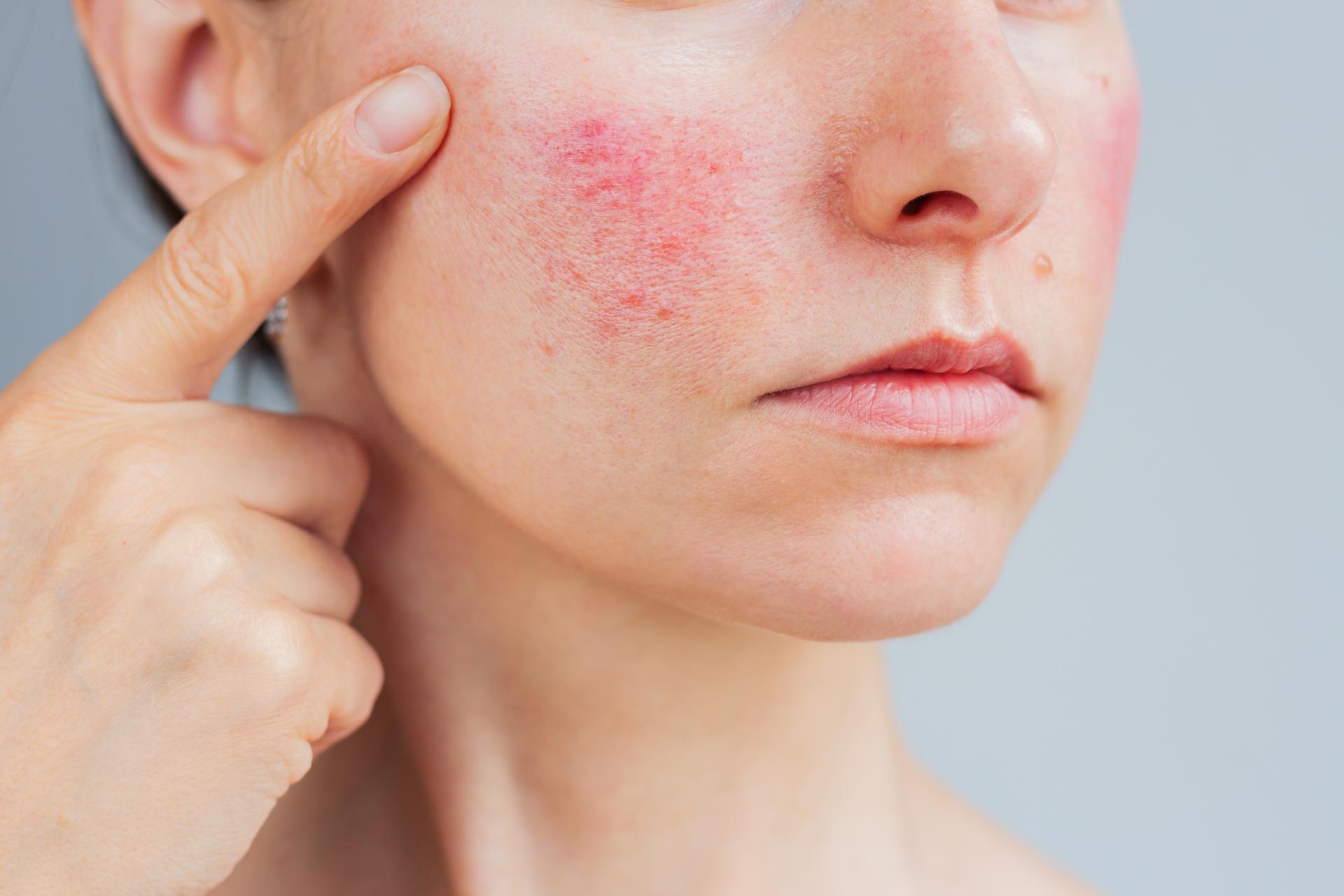
Rosacea is a chronic inflammatory skin condition that commonly affects the face, often leading to persistent redness, frequent flushing, visible blood vessels, and in some cases, acne-like bumps. Although it is not a dangerous condition, it can be long-lasting and tends to fluctuate in severity over time.
Many individuals find it emotionally distressing, especially when symptoms become more noticeable in social or professional settings, and it is often mistaken for acne, skin sensitivity, or allergic reactions. Because of its variable presentation and common triggers, managing rosacea usually requires more than basic skincare alone.
A skin specialist plays an important role in correctly identifying the condition, differentiating it from similar skin issues, and guiding patients toward effective long-term control. Through a personalised approach, a skin specialist can also help uncover individual triggers and develop a tailored management plan. For more information, you may refer to https://thedermclinic.com.sg/.
Common Signs And Symptoms To Watch For
Rosacea can present in different ways, and symptoms often develop gradually. Many people do not recognise it early, as it can resemble acne or simple skin sensitivity. The most common and noticeable feature is persistent facial redness, especially across the central areas of the face.
Key signs and symptoms include:
- Persistent redness on the cheeks, nose, forehead, and chin
- Frequent flushing episodes, where the face suddenly feels warm and turns visibly red
- Visible small blood vessels (telangiectasia) on the skin surface
- Acne-like bumps or pustules that may be mistaken for acne
- Skin sensitivity, including burning, stinging, or tightness
- Flare-ups triggered by heat, stress, spicy food, or skincare products
- In some cases, eye irritation such as dryness or a gritty sensation
These symptoms may vary in severity and can come and go at first before becoming more persistent over time. Because rosacea can closely resemble other skin conditions such as acne, eczema, or allergic reactions, self-diagnosis is often inaccurate.
Triggers That Commonly Worsen Facial Redness In Singapore’s Climate
Rosacea symptoms are often influenced by specific internal and environmental triggers. In Singapore’s tropical climate, where heat and humidity are constant factors, many patients notice that facial redness and flushing can become more frequent or intense.
Common triggers include:
- Heat and high humidity: Prolonged exposure to warm weather can dilate blood vessels and worsen redness
- Sun exposure: UV radiation is a well-known trigger that can lead to flare-ups and skin inflammation
- Spicy foods: Common in local diets, spicy meals may cause sudden flushing in sensitive individuals
- Alcohol consumption: Alcohol can dilate blood vessels and intensify redness and visible flushing
- Stress and emotional changes: Emotional stress is a frequent and often overlooked trigger
- Hot beverages: Drinks such as coffee or tea may temporarily worsen facial redness
- Indoor–outdoor temperature changes: Moving between air-conditioned spaces and outdoor heat can disrupt skin balance
Because triggers vary from person to person, identifying individual patterns is an important step in long-term management. Keeping a simple diary of flare-ups can help patients and a skin specialist recognise recurring triggers and develop a more tailored approach to control symptoms.
How A Skin Specialist Diagnoses Rosacea
Diagnosis of rosacea is mainly clinical, based on a detailed medical history and careful examination of the skin. A skin specialist will look at the pattern, distribution, and severity of symptoms to confirm the condition and rule out other skin disorders.
Key aspects of the diagnostic process include:
- Assessment of persistent facial redness and flushing patterns
- Identification of visible blood vessels and acne-like bumps
- Review of symptom triggers and flare-up history
- Differentiation from acne, eczema, lupus, and allergic reactions
- Use of dermoscopy or further tests when diagnosis is unclear
By accurately identifying the condition early, a skin specialist can prevent misdiagnosis and unnecessary treatments. This also allows for a more targeted management plan that improves long-term control and reduces flare-ups.
Treatment Options For Long-Term Management Of Rosacea
Managing rosacea focuses on controlling symptoms, reducing flare-ups, and improving skin appearance over time. A skin specialist will tailor treatment based on severity, symptoms, and individual triggers, as there is no one-size-fits-all approach.
Common treatment options include:
- Topical medications: To reduce inflammation and persistent redness
- Oral medications: For moderate cases with inflammatory bumps or flare-ups
- Laser or light therapy: To target visible blood vessels and reduce redness
- Anti-inflammatory treatments: To calm sensitive and reactive skin
In many cases, a combination of treatments is used for better control. Regular follow-up with a skin specialist helps adjust therapy based on response and progression.
When To See A Skin Specialist And Long-Term Outlook
Rosacea can often be managed effectively, but early and accurate assessment is important to prevent it from becoming more persistent or difficult to control. You should consider seeing a skin specialist if facial redness is frequent, worsening, or starting to affect your confidence and daily comfort.
Key situations to seek medical advice include:
- Persistent redness that does not improve with basic skincare
- Frequent flushing or worsening facial sensitivity
- Development of acne-like bumps or visible blood vessels
- Symptoms affecting the eyes, such as dryness or irritation
- Lack of response to over-the-counter treatments
With proper diagnosis and a structured treatment plan, most patients experience meaningful improvement in symptoms and quality of life.
Conclusion
Rosacea is a chronic but manageable skin condition that often requires a combination of medical treatment, trigger awareness, and consistent skincare. While symptoms such as redness, flushing, and visible blood vessels can be persistent, they can usually be significantly improved with the right approach.
A skin specialist plays an important role in confirming the diagnosis, identifying individual triggers, and tailoring a long-term management plan suited to each patient’s skin type and lifestyle. To discuss suitable treatment options for your skin conditions, you may contact our clinic, at:
The Dermatology Clinic – Dr Uma | Skin Allergy | Paediatric Dermatology | Eczema Treatment Singapore
321 Joo Chiat Pl, #05-01A Parkway East Specialist Hospital, Singapore 427990
Phone: +65 6517 9760
290 Orchard Road 09-20/21 Paragon Medical Centre, Singapore 238859
Phone: +65 6320 0310
https://thedermclinic.com.sg/
