

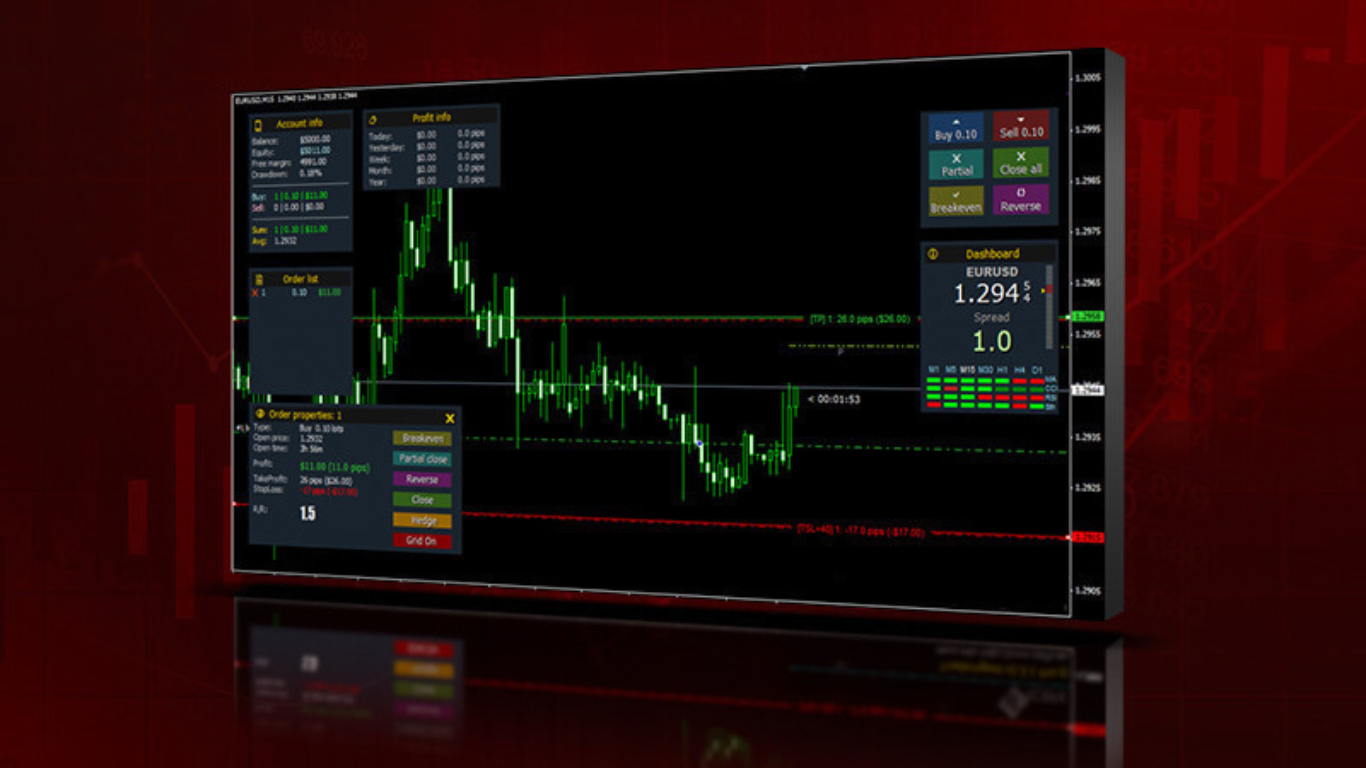
Every few months a trader asks whether it is finally time to abandon MetaTrader 4 for its younger sibling. The question never goes away because both platforms come from the same company, look similar at first glance, and run on the same operating systems. Yet they are different programs with different engines, and the right choice depends on what you actually trade rather than which version number sounds newer.
MetaTrader 5 arrived in 2010 as a rebuilt platform. It offers twenty-one timeframes instead of nine, six pending order types instead of four, a depth of market window, and an integrated economic calendar. Its strategy tester uses multiple processor cores and supports multi-currency testing, so a robot trading several pairs at once can be evaluated properly. Account modes include both netting and hedging, the latter added in 2016 to win back traders used to opening opposite positions.
Those upgrades matter most to a specific group. Anyone trading stocks, futures, or exchange-listed instruments through a broker that supports them gets far more from MT5, because MT4 was designed around forex and contracts for difference. Developers running heavy optimization also appreciate the faster tester. If your plan involves custom algorithms with intensive back-testing, the newer engine will save hours every week.
Why Plenty of Traders Stay Put
Code compatibility is the biggest reason. Programs written in MQL4 do not run on MetaTrader 5, which uses MQL5. A trader with a library of trusted indicators and robots would need to convert or rebuy everything, then retest it all. For anyone whose strategy depends on one beloved custom tool, staying with mt4 for pc is rarely stubbornness. It is a sensible calculation about time, risk, and the cost of starting over.
Broker availability also shapes the decision. Many retail brokers still run busy MT4 servers, and some offer features such as copy trading or bonus structures only on that platform. Liquidity and spreads are usually identical between versions on the same account type, so the platform itself rarely changes trading costs. Check what your broker supports before assuming a switch is possible.
A Practical Way to Decide
Open demo accounts on both platforms and spend one week with each, using your normal routine. Note how quickly you reach the order window, how comfortable the charts feel, and whether your indicators exist in both versions. Many traders discover a clear preference within days. Others realize they have been using only a fraction of either program and that the choice hardly matters.
Beginners without existing tools can reasonably start on MT5, since it is the platform receiving ongoing development and broader instrument coverage. Experienced users with working systems should migrate only when a concrete need appears, such as new markets or faster testing. Changing platforms during a losing streak, hoping software will fix a strategy problem, is a mistake that has ended many promising accounts.
Mobile and web access deserve a mention. Both platforms offer phone apps and browser terminals that mirror the same account, so switching versions does not remove the ability to check positions on the go. Be aware that mobile apps lack the full indicator and robot support of the desktop program, which is why most active traders still treat the computer installation as the control center and the phone as a safety net.
Whichever version you pick, learn it deeply. Familiarity with hotkeys, templates, and order management produces cleaner execution than any marginal feature difference. A calm trader on the older platform will beat a confused one on the newer platform every time.
