

Understanding Children’s Emotional Development
Childhood is a period of continuous emotional, social and psychological development.
As children grow, they encounter unfamiliar situations, develop friendships and learn how to understand increasingly complex emotions.
While many children navigate these experiences with support from parents and teachers, others may encounter difficulties that affect their confidence, behaviour and general wellbeing.
For parents considering children’s counselling in Oxford, understanding how professional support can help is an important first step.
Children’s counselling provides an age-appropriate therapeutic environment where young people can explore difficult feelings and develop healthier ways of managing challenges.
Recognising Emotional Difficulties in Children
Children do not always have the vocabulary or confidence to explain how they feel.
Younger children may communicate emotional distress through behaviour rather than conversation.
Parents might notice increased irritability, withdrawal from friends, reluctance to attend school or changes in sleeping patterns.
Some children become unusually worried about everyday situations or seek frequent reassurance.
Others may struggle with concentration, experience emotional outbursts or lose interest in activities they previously enjoyed.
These behaviours do not necessarily indicate a mental health condition.
However, persistent changes that affect school, relationships or family life may benefit from professional assessment.
Recognising emotional difficulties early can help parents provide appropriate support.
Understanding School-Related Anxiety
School plays an important role in children’s development, but it can also create emotional pressure.
Academic expectations, examinations, homework and friendship difficulties may contribute to anxiety.
Some children worry excessively about making mistakes or disappointing teachers and parents.
Others experience social anxiety, particularly when interacting with unfamiliar classmates or participating in group activities.
Bullying and exclusion can also affect confidence and emotional wellbeing.
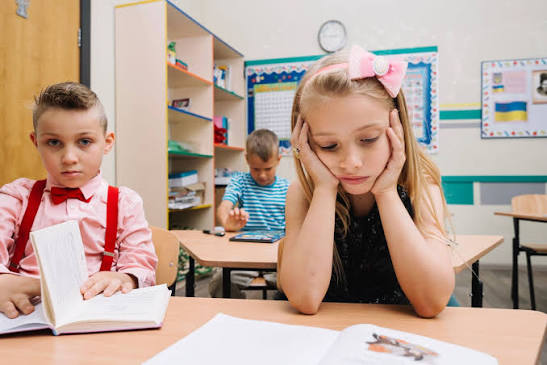
Children experiencing school-related anxiety may become reluctant to attend lessons or complain of physical discomfort before school.
Counselling may help young people understand these feelings and develop strategies for managing difficult situations.
Where appropriate, parents and school staff may also work together to create a more supportive environment.
How Children’s Counselling Works
Children’s counselling differs from adult therapy because young people communicate and process emotions differently.
Younger children may find creative activities more comfortable than direct conversations.
Appropriately trained counsellors may incorporate drawing, storytelling, play-based techniques or other structured activities.
These approaches can help children express feelings that are difficult to describe verbally.
Older children and teenagers may prefer talking therapies that allow them to discuss school, friendships, family relationships and personal concerns.
The counsellor should adapt the approach to the child’s developmental stage, needs and preferences.
The aim is to create a supportive environment where children feel respected and able to explore their experiences.
Helping Children Build Confidence
Low confidence can affect many areas of childhood.
Some children avoid unfamiliar activities because they fear failure or embarrassment.
Others compare themselves negatively with classmates or struggle to recognise their strengths.
Counselling may help children explore the beliefs contributing to low self-esteem.
For example, a child who believes that making mistakes means they are unsuccessful may benefit from developing a more balanced perspective.
Learning to recognise personal strengths and accept setbacks can support greater confidence.
These skills may also improve friendships, school participation and willingness to try new experiences.
Supporting Children Through Family Changes
Family circumstances can significantly influence emotional wellbeing.
Parental separation, bereavement, relocation or illness may create uncertainty and distress.
Children sometimes struggle to express their concerns because they fear upsetting family members.
Some may blame themselves for circumstances beyond their control.
Counselling can provide a neutral environment where these experiences can be discussed.
A counsellor may help children understand their emotional responses and develop constructive ways of coping.
Parental involvement will depend on the child’s age, individual needs and safeguarding arrangements.
Finding Children’s Counselling in Oxford
When exploring children’s counselling services in Oxford, parents should look for professionals with appropriate qualifications and experience working with young people.
It is important to understand the therapeutic approach, safeguarding procedures and how parents will be involved.
Confidentiality should also be explained clearly, including circumstances where information may need to be shared to protect a child.
Parents may wish to discuss their concerns before arranging an initial appointment.
Supporting Long-Term Emotional Wellbeing
Children benefit from learning how to recognise emotions, communicate their needs and manage difficult experiences.
Professional counselling may support these skills while addressing immediate concerns.
For families in Oxford, seeking appropriate emotional support can help young people develop greater confidence, resilience and understanding as they progress through childhood and adolescence.
