

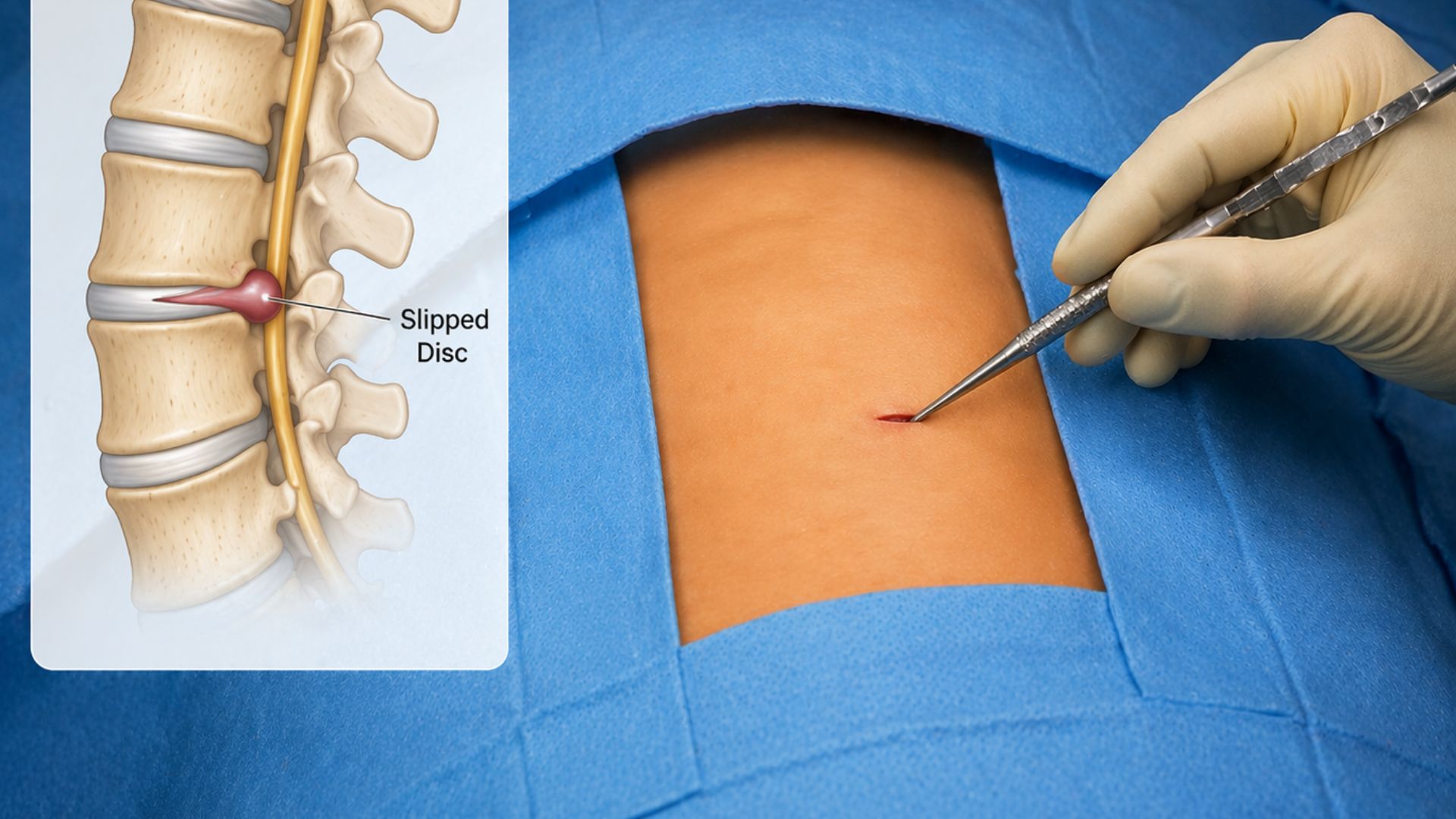
Sciatica is a common symptom that occurs when a spinal nerve becomes irritated or compressed, often as a result of a slipped disc in the lower back. Rather than being a condition on its own, sciatica refers to pain that radiates from the lower back down the buttock and leg, sometimes accompanied by numbness, tingling, or muscle weakness. While many patients experience improvement with rest, physiotherapy, and other conservative measures, some continue to struggle with persistent symptoms that interfere with work, exercise, and daily activities.
In such cases, identifying the underlying cause is essential to determine the most appropriate slipped disc treatment. If you are exploring options for slipped disc treatment Singapore, understanding why your sciatica persists is often the first step towards finding lasting relief.
What Is the Link Between a Slipped Disc and Sciatica?
A slipped disc occurs when the soft inner portion of a spinal disc protrudes through a weakened area of its outer layer. When this happens in the lower spine, the displaced disc material can press against or irritate nearby nerve roots, triggering sciatica symptoms. As the sciatic nerve is the largest nerve in the body, irritation along its pathway can cause pain that travels from the lower back into the buttock, thigh, calf, and even the foot. Some patients describe the pain as sharp, shooting, burning, or electric-like in nature.
In addition to pain, a slipped disc may cause tingling sensations, numbness, or muscle weakness in the affected leg. The severity and location of symptoms often depend on which nerve root is compressed and the extent of the compression. Interestingly, some patients experience relatively mild back pain but significant leg symptoms, as nerve irritation can produce more noticeable discomfort in the leg than at the site of the slipped disc itself.
When Does Sciatica Become a Concern?
Many cases of sciatica improve gradually within a few weeks as inflammation settles and the affected nerve begins to recover. However, persistent or worsening symptoms may indicate ongoing nerve compression that requires further assessment. If leg pain continues despite rest, physiotherapy, medications, or other conservative measures, it may be time to seek medical attention to determine whether a slipped disc remains the underlying cause.
Certain symptoms should not be ignored. These include increasing numbness, progressive muscle weakness, difficulty lifting the foot while walking, or pain that significantly disrupts sleep and daily activities. In some cases, prolonged nerve compression can lead to more lasting neurological problems if left untreated. Although not every patient with persistent sciatica will require surgery, an evaluation by a spine specialist can help identify the cause of the symptoms and determine whether additional investigations or treatment options may be beneficial.
Non-Surgical Slipped Disc Treatment Options for Persistent Sciatica
For many patients, even persistent sciatica can still be managed without surgery. Non-surgical approaches aim to reduce inflammation around the affected nerve, improve mobility, and allow the body time to heal. A structured conservative plan is often the first line of management.
Common non-surgical options include:
- Activity modification: Avoiding prolonged sitting, heavy lifting, and movements that worsen nerve irritation
- Physiotherapy: Core strengthening, posture correction, and guided exercises to reduce spinal load and improve stability
- Pain-relief medications: Anti-inflammatory drugs or nerve pain medications to help control symptoms and maintain function
- Epidural steroid injections (in selected cases): Targeted injection around the affected nerve root to reduce inflammation and pain, supporting rehabilitation efforts
These measures are often combined and adjusted over time based on symptom response.
Can Spinal Injections Help Relieve Sciatica?
For patients whose sciatica persists despite initial conservative care, spinal injections may be considered as part of the treatment plan. The most commonly used option is an epidural steroid injection, which delivers anti-inflammatory medication directly around the affected nerve root in the spine. The goal is not to “cure” the slipped disc, but to reduce inflammation and irritation around the nerve, thereby decreasing pain and improving function.
By reducing nerve inflammation, spinal injections may help patients move more comfortably and participate more effectively in physiotherapy and rehabilitation. This can be particularly useful when pain is severe enough to limit daily activities or delay recovery progress.
When Is Surgery Considered for Persistent Sciatica?
Surgery is generally considered when sciatica does not improve despite adequate non-surgical treatment, or when there are signs that the nerve is being significantly or progressively affected. In these situations, further imaging and clinical assessment are important to determine whether decompression of the nerve is required.
Situations where surgery may be recommended include:
- Persistent leg pain despite adequate conservative treatment over several weeks to months
- Progressive muscle weakness, such as difficulty lifting the foot or climbing stairs
- Worsening numbness or neurological symptoms affecting daily function
- Severe nerve compression on MRI that correlates with symptoms
- Emergency symptoms, such as loss of bladder or bowel control (requires urgent evaluation)
The most common procedure is a microdiscectomy, where the portion of the slipped disc pressing on the nerve is removed to relieve compression.
How Is the Right Treatment Option Determined?
Choosing the most appropriate approach for sciatica caused by a slipped disc requires a detailed clinical assessment rather than a one-size-fits-all plan. The decision is based on a combination of symptoms, physical examination findings, and imaging results, particularly MRI scans of the spine.
Key factors that influence treatment decisions include:
- Duration of symptoms: whether sciatica is recent or has persisted for weeks to months
- Severity of pain and functional limitation: impact on walking, sleep, work, and daily activities
- Neurological findings: presence of weakness, numbness, or reflex changes on examination
- MRI findings: degree and location of disc herniation and nerve compression
- Response to prior treatment: improvement or lack of improvement with medication, physiotherapy, or injections
Conclusion
Persistent sciatica from a slipped disc should not be ignored, especially when symptoms begin to affect mobility, sleep, or daily function. While many cases improve with conservative care, ongoing nerve irritation may require further evaluation to determine whether additional treatment such as injections or surgery is appropriate.
A structured assessment helps identify the underlying cause and guides the most suitable approach for lasting relief. If you are experiencing persistent back or leg pain and would like to discuss your options for slipped disc treatment in Singapore, you may book a call with us, at:
CHOU Neurosurgery Clinic (Farrer Park) – Brain & Spine Specialist Singapore
Farrer Park Hospital
1 Farrer Park Station Rd, #08-06, Singapore 217562
Phone: +65 6694 7942
