

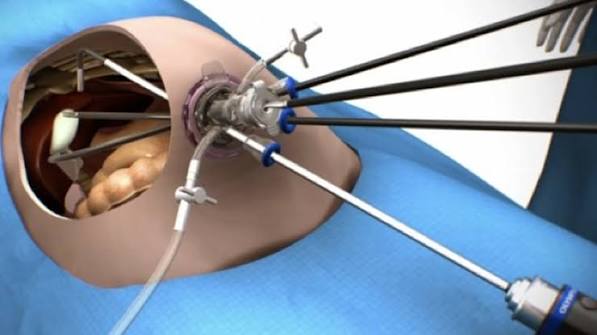
Single Incision Laparoscopic Surgery (SILS) is a minimally invasive surgical approach that uses a single small incision, typically made around the belly button, to access the abdominal area. A womens health specialist may consider SILS for selected gynaecological conditions depending on factors such as the patient’s diagnosis, anatomy, medical history and overall health.
Compared with traditional open surgery, minimally invasive techniques may involve smaller incisions and potentially less visible scarring. Patients considering surgical treatment can consult a womens health specialist in Singapore to understand whether SILS may be a suitable option for their individual condition.
What Is Single Incision Laparoscopic Surgery (SILS)?
Single Incision Laparoscopic Surgery (SILS) is a form of minimally invasive surgery performed through a single incision rather than several small incisions. The incision is commonly made near the belly button, allowing a camera and specialised surgical instruments to be inserted into the abdomen. The camera provides a magnified view of the surgical area, while the instruments allow the surgeon to carry out the required procedure.
This differs from conventional laparoscopic surgery, which usually involves several small abdominal incisions for the camera and surgical instruments. SILS may offer cosmetic benefits because there is only one main incision, although the suitability and potential benefits vary between patients.
Importantly, SILS is not appropriate for every gynaecological procedure or patient. The choice of surgical technique depends on the condition being treated, its location and complexity, as well as factors such as previous abdominal surgery and the patient’s general health.
Gynaecological Conditions That May Be Treated With SILS
A womens health specialist may consider SILS for selected gynaecological conditions where minimally invasive surgery is appropriate. Conditions that may sometimes be treated using a laparoscopic approach include:
- Ovarian cysts: Surgery may be considered when a cyst is persistent, large, symptomatic or has features that require further assessment. Where appropriate, the cyst may be removed while preserving healthy ovarian tissue.
- Uterine fibroids: Depending on their size, number and location, some fibroids may be treated through minimally invasive surgery.
- Endometriosis: Surgery may be considered to assess or treat endometriosis lesions, particularly when symptoms are significant or other treatment approaches have not provided sufficient relief.
- Other selected gynaecological conditions: Certain procedures involving the uterus, ovaries or fallopian tubes may also be performed using minimally invasive techniques, depending on the individual case.
It is important to note that SILS is not suitable for every patient or every gynaecological procedure. For example, extensive disease, complex anatomy or previous abdominal surgery may affect the choice of surgical technique. A womens health specialist can assess the condition and discuss whether SILS, conventional laparoscopy or another approach is more appropriate.
How A Womens Health Specialist Assesses Suitability For SILS
Consultation helps determine whether a single-incision approach is technically suitable and whether it is an appropriate option for the planned procedure. The assessment may include:
- Medical history: Previous surgeries, existing medical conditions, medications and past treatments may affect the choice of surgical approach.
- Symptoms and diagnosis: The nature, duration and severity of symptoms are considered alongside the suspected or confirmed gynaecological condition.
- Imaging and investigations: Ultrasound, MRI or other investigations may be recommended to understand the size, location and extent of the condition.
- Anatomy: Individual anatomical factors can influence whether instruments can be safely positioned and used through a single incision.
- Surgical complexity: The size of a fibroid, ovarian cyst or endometriosis lesions, for example, may affect whether SILS is practical.
- Overall health: General fitness and factors that may affect anaesthesia, surgery or recovery are also taken into consideration.
Following the assessment, the specialist can explain the available surgical options and their respective benefits and risks. In some cases, conventional laparoscopic surgery or open surgery may be more appropriate.
Potential Benefits and Considerations
SILS may offer several potential benefits compared with traditional open surgery or, in some cases, conventional laparoscopy. However, the benefits can vary depending on the procedure and individual patient. Potential benefits may include:
- A single incision: SILS uses one main access point, commonly around the belly button, rather than several abdominal incisions.
- Less visible scarring: When the incision is positioned within or near the belly button, the resulting scar may be less noticeable once healed.
- Minimally invasive approach: Compared with open surgery, SILS involves a smaller surgical access point and may result in less disruption to surrounding tissues.
- Potentially more comfortable recovery: Some patients may experience less post-operative discomfort and return to normal activities sooner, although recovery varies according to the procedure and individual circumstances.
At the same time, SILS has limitations. Working through a single incision can be technically challenging and may not be appropriate for complex procedures or certain anatomical situations. There are also general risks associated with laparoscopic surgery, such as bleeding, infection, injury to surrounding organs and complications related to anaesthesia.
What To Expect Before and After SILS
Preparation may vary depending on the specific gynaecological condition and type of surgery being performed. Before surgery, patients may be advised to:
- Attend a pre-operative assessment and discuss their medical history and current medications
- Complete any recommended blood tests or imaging investigations
- Follow instructions regarding eating, drinking and medications before surgery
- Arrange for someone to accompany them home if required after the procedure
- Discuss expected recovery, wound care and restrictions on daily activities
After SILS, patients will usually receive instructions on caring for the incision and managing discomfort. Some soreness around the surgical site can be expected during the initial recovery period. The length of recovery depends on the procedure performed, the patient’s general health and how the body responds to surgery. Follow-up appointments may be arranged to monitor healing and discuss any pathology results where tissue has been removed.
Conclusion
Single Incision Laparoscopic Surgery (SILS) may be a suitable minimally invasive option for selected gynaecological conditions. However, it is not appropriate for every patient, so an individual assessment is important. A womens health specialist can discuss the diagnosis, available surgical approaches, potential benefits and risks to help determine the most suitable option. If you would like to find out whether SILS may be suitable for your condition, book a call with our clinic at:
Centre For Endometriosis And Fibroids – A/Prof Fong Yoke Fai | Gynaecologist Singapore
38 Irrawaddy Rd, #05-49 Mount Elizabeth Novena Medical Centre, Singapore 329563
Phone: +65 6334 1981
