

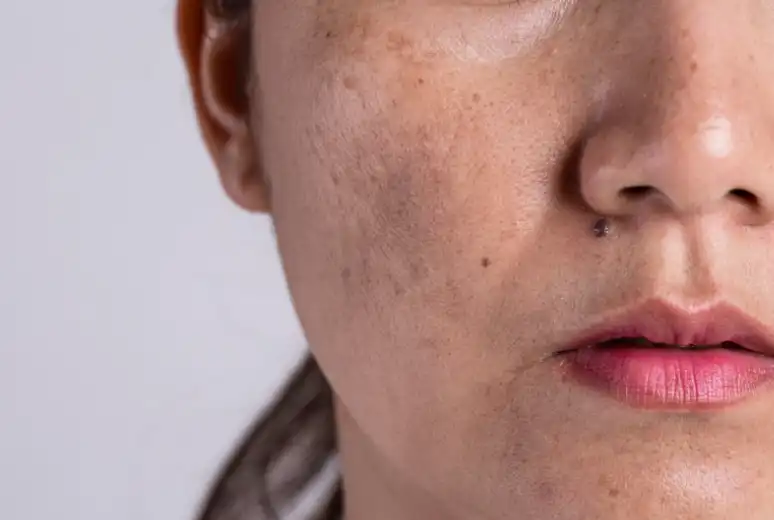
Melasma is a common pigmentation condition that causes brown to greyish patches to appear on areas of the face such as the cheeks, forehead, upper lip and nose. While the exact cause can vary, melasma is often influenced by a combination of factors including hormonal changes, UV exposure, visible light and individual skin characteristics. In Singapore, regular exposure to strong UV radiation can be particularly relevant, especially for people who spend significant time outdoors.
Consulting a melasma doctor Singapore can help identify potential triggers, assess the pattern and severity of pigmentation, and determine a suitable treatment approach. Learn more here https://onefaceclinic.com/major-melasma-triggers-you-should-watch-out-for/ about melasma care.
Common Triggers and Contributing Factors
Melasma can be influenced by several factors, and the triggers may differ from person to person. Common contributing factors include:
- UV exposure
- Visible light
- Hormonal changes
- Pregnancy
- Hormonal contraceptives
- Hormone therapy
- Family or genetic predisposition
- Heat exposure
- Skin irritation or inflammation
In Singapore, frequent exposure to strong sunlight can be particularly relevant. Identifying potential triggers is an important part of understanding why melasma develops or becomes more noticeable.
How Melasma Is Graded or Classified
Before deciding on treatment, a doctor may assess the depth, distribution and severity of melasma. This can help determine which treatment options may be appropriate and what degree of improvement may be expected. Melasma is commonly classified into:
- Epidermal melasma– pigment is mainly present in the superficial layers of the skin.
- Dermal melasma– pigment extends into deeper layers of the skin.
- Mixed melasma– features of both epidermal and dermal melasma are present.
The severity and extent of pigmentation may also be assessed using clinical scoring systems such as the Melasma Area and Severity Index (MASI). A thorough assessment is useful because melasma can vary considerably between individuals, and the same treatment may not be suitable for every type or severity of pigmentation.
Why Melasma Can Be Difficult To Treat
Melasma can be persistent because several contributing factors may continue to stimulate pigment production even after visible pigmentation has improved. Common challenges include:
- Ongoing exposure to UV radiation and visible light
- Hormonal changes that cannot always be avoided
- Pigmentation returning after treatment
- Deeper or mixed patterns of melasma
- Skin irritation from unsuitable skincare products
- Post-inflammatory pigmentation following overly aggressive treatment
- Differences in how individual skin types respond to treatment
For this reason, managing melasma usually involves more than simply trying to lighten existing pigmentation. Identifying triggers, protecting the skin from light exposure and choosing appropriate treatments are important parts of longer-term management.
First-Line Treatment Options
Treatment for melasma usually begins with measures that reduce pigment production and limit further stimulation of the skin. Depending on the individual’s skin type, pregnancy status, severity and previous treatment history, options may include:
- Broad-spectrum sunscreen and consistent sun protection
- Prescription topical treatments such as hydroquinone
- Topical retinoids such as tretinoin
- Azelaic acid
- Other topical pigment-reducing agents
- Skincare to minimise irritation and support the skin barrier
Treatment is often continued for several weeks or months, with progress monitored over time. Consistent sun protection is particularly important because UV and visible light exposure can contribute to the recurrence or worsening of melasma.
Procedures and Other Treatment Options
When topical treatments and sun protection do not provide sufficient improvement, procedures may be considered depending on the type, severity and depth of the melasma. Chemical peels and selected laser or light-based treatments may help reduce excess pigmentation, but they need to be used carefully as skin irritation can potentially worsen pigmentation or cause post-inflammatory hyperpigmentation.
For some patients, oral tranexamic acid may also be considered under medical supervision after assessing factors such as medical history and potential risks. These options are not suitable for everyone, so treatment should be selected based on an individual assessment rather than the presence of melasma alone.
When To See A Melasma Doctor In Singapore
A medical assessment may be useful when facial pigmentation is persistent, spreading or repeatedly returning despite consistent skincare and sun protection. Seeing a doctor can also help when it is unclear whether the pigmentation is actually melasma, as other skin conditions can produce similar changes in colour. A consultation may involve examining the distribution and appearance of the pigmentation, assessing its severity and considering factors such as hormonal changes, sun exposure and previous treatments.
This assessment can help determine whether topical treatment, procedures or a combination of approaches may be appropriate. For patients considering prescription medication, chemical peels or laser-based treatments, professional guidance can also help reduce the risk of unnecessary skin irritation or worsening pigmentation.
Conclusion
Melasma can have several contributing factors, and understanding your triggers can help guide suitable treatment and long-term management. If you are concerned about persistent facial pigmentation, a consultation can help assess your skin and discuss appropriate treatment options. Concerned about melasma or persistent facial pigmentation? Contact our clinic at:
One Face Clinic – Pigmentation | Melasma Treatment | Acne Singapore
1 Tras Link, #02-01 Orchid Hotel Singapore, Singapore 078867 | +65 6222 2262
