

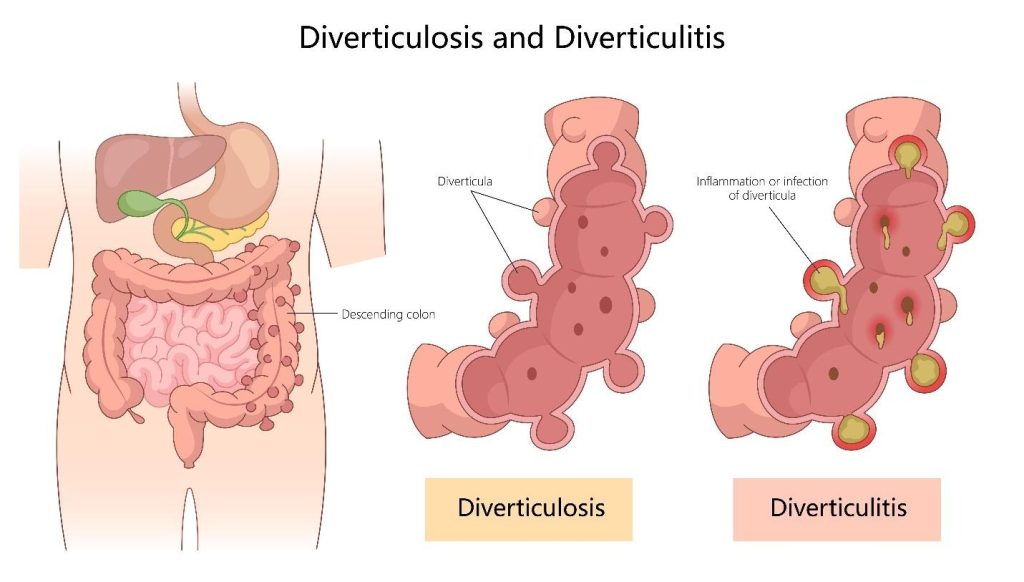
Diverticular disease is increasingly common among adults, particularly those over 50, with studies showing that nearly half of individuals in this age group may have small pouches, known as diverticula, in their colon. Many people remain unaware they have the condition because symptoms can be mild, intermittent, or entirely absent.
For those looking to ensure their digestive health, a colonoscopy Singapore offers the most reliable way to detect diverticular disease early. If you are considering a screening, you can learn more about procedure options and pricing here https://colonoscopydoctor.sg/colonoscopy-cost/.
What is Diverticular Disease?
Diverticular disease occurs when small pouches, called diverticula, form in the lining of the colon. When these pouches are present without inflammation, the condition is known as diverticulosis, which often causes no noticeable symptoms. However, when the diverticula become inflamed or infected, it is referred to as diverticulitis, which can lead to abdominal pain, fever, and changes in bowel habits.
In some cases, complications such as bleeding, perforation, or abscesses may occur, making early detection important. A colonoscopy Singapore allows specialists to examine the colon directly, identifying diverticula and assessing any signs of inflammation or other complications.
Symptoms That May Indicate Diverticular Disease
While many people with diverticular disease experience no symptoms, certain signs can suggest the presence of diverticula or inflammation. Common symptoms include:
- Abdominal pain or cramping, often on the lower left side
- Bloating or excessive gas
- Changes in bowel habits, such as constipation or diarrhea
- Blood in the stool or rectal bleeding
- Fever, nausea, or chills, which may indicate infection in cases of diverticulitis
It is important to note that these symptoms can overlap with other gastrointestinal conditions, making accurate diagnosis essential. A colonoscopy Singapore provides a clear and direct view of the colon, helping doctors identify diverticular disease and rule out other potential causes of your symptoms.
How Colonoscopy Helps Diagnose Diverticular Disease
A colonoscopy Singapore is the most effective method for diagnosing diverticular disease because it allows doctors to visually examine the entire colon in real time. During the procedure, a thin, flexible tube with a camera is inserted into the rectum, enabling the detection of diverticula, inflammation, or complications such as bleeding or infection. Colonoscopy also helps rule out other conditions that may cause similar symptoms, including colorectal polyps, tumors, or inflammatory bowel disease.
In addition, if any abnormal growths are found during the procedure, they can often be removed or biopsied immediately, providing both diagnostic and preventive benefits. This makes colonoscopy not only a tool for identifying diverticular disease but also a proactive step in maintaining overall colon health.
Preparing for a Colonoscopy
Proper preparation is essential for a successful colonoscopy Singapore, as it ensures the colon is clean and allows the doctor to get a clear view. Patients are usually advised to follow a clear liquid diet for a day or two before the procedure, avoiding solid foods and certain beverages that can leave residue in the colon. Laxatives or bowel-cleansing solutions are commonly prescribed to help empty the intestines.
Sedation is typically offered during the procedure to minimize discomfort and anxiety, allowing most patients to undergo the colonoscopy with little to no pain. It’s important to follow your doctor’s specific instructions carefully, including fasting guidelines and medication adjustments. With proper preparation, the procedure is safe, efficient, and highly effective at detecting diverticular disease and other colon conditions.
Risks and Considerations
While colonoscopy Singapore is generally safe, it is important to understand the potential risks and considerations before undergoing the procedure. Most patients experience no serious complications, but some risks include:
- Bleeding – Rare, but may occur, especially if polyps are removed.
- Perforation – A very uncommon risk where the colon wall may be punctured.
- Discomfort or cramping – Usually mild and temporary after the procedure.
- Sedation reactions – Rare allergic or adverse reactions to sedatives.
Despite these risks, the benefits of detecting diverticular disease early and preventing serious complications often outweigh the potential drawbacks. Your doctor will review your medical history and any pre-existing conditions to ensure the procedure is safe for you.
Post-Colonoscopy Care and Follow-Up
After a colonoscopy Singapore, most patients can expect a smooth and quick recovery. Some tips to ensure comfort and proper healing include:
- Resting for the remainder of the day – Sedation may leave you drowsy.
- Starting with light meals – Avoid heavy or greasy foods immediately after the procedure.
- Staying hydrated – Drinking water helps your body recover from bowel preparation.
- Monitoring for symptoms – Mild bloating or cramping is normal, but seek medical attention for severe pain, persistent bleeding, or fever.
The findings from your colonoscopy will guide your next steps. If diverticular disease is confirmed, your doctor may recommend dietary changes, medications, or in rare cases, surgical interventions.
Conclusion
Diverticular disease is common, especially in adults over 50, and early detection is key to preventing complications such as bleeding, infection, or inflammation. Many people may not experience noticeable symptoms, which is why a colonoscopy Singapore is the most reliable method to check for diverticula and ensure your colon health.
Reach out to our clinic today to arrange a consultation and ensure your colon health is monitored. Schedule your consultation here:
Colonoscopy Doctor – Dr Aaron Poh | Colorectal Surgeon Singapore
3 Mount Elizabeth, #14-06a, Singapore 228510
Phone: +65 8875 0080
