

Colorectal cancer can often develop silently in its early stages, with many people experiencing no noticeable symptoms until the disease has progressed. In many cases, colorectal cancer begins as small growths called polyps that form along the lining of the colon or rectum. While some polyps remain harmless, certain types can gradually develop into cancer over several years if they are not detected and removed.
Through colorectal screening Singapore, individuals can identify these polyps early and have them treated before they become more serious. Screening is not only about detecting cancer but also plays an important role in prevention by allowing early intervention. Those looking to better understand their screening options can find out more about how colorectal screening supports long-term colon health.
Understanding Colorectal Polyps And How They Develop Into Cancer
Colorectal polyps are small abnormal growths that develop on the inner lining of the colon or rectum. While many polyps are benign and do not cause problems, some types may gradually change over time and become cancerous. This process usually happens slowly, often taking several years before a polyp develops into colorectal cancer.
Certain polyps, such as adenomatous polyps, have a higher chance of becoming cancerous compared to other types. However, because early-stage polyps often do not cause symptoms, individuals may not know they have them without undergoing screening.
This is why regular colorectal screening Singapore is important, as it allows doctors to identify and remove potentially harmful polyps before they progress. Detecting these changes early can help reduce the risk of colorectal cancer and support better long-term health outcomes.
How Colorectal Screening Singapore Helps Detect And Prevent Colorectal Cancer
Colorectal screening Singapore plays an important role in identifying early changes in the colon before they develop into colorectal cancer. Different screening methods may be recommended depending on an individual’s age, health background and risk factors. One commonly used method is colonoscopy, which allows a doctor to examine the lining of the colon directly and identify abnormalities such as polyps. If polyps are found during the procedure, they can often be removed and sent for further assessment.
Another screening option is the faecal immunochemical test (FIT), which checks for small amounts of blood in the stool that may not be visible. While FIT does not directly detect polyps, an abnormal result may indicate the need for further evaluation, such as a colonoscopy. By detecting and addressing potential concerns early, colorectal screening helps with both cancer detection and prevention by reducing the chance of precancerous polyps progressing into more serious conditions.
Who Should Consider Colorectal Screening In Singapore?
The need for colorectal screening Singapore depends on factors such as age, personal health history and family background. While some people may assume that screening is only necessary when symptoms appear, colorectal cancer can develop quietly in its early stages. Colorectal screening may be recommended for individuals who:
- Are within the recommended screening age range– Regular screening helps detect early changes in the colon, even when there are no noticeable symptoms.
- Have a family history of colorectal cancer or polyps– Those with affected close relatives may have a higher risk and may need to begin screening earlier.
- Previously had colorectal polyps– Follow-up screening may be needed as some polyps can return or new ones may develop over time.
- Have certain bowel conditions or risk factors– Some medical conditions may increase the likelihood of colorectal problems.
- Experience warning signs– Symptoms such as blood in stools, unexplained weight loss, persistent abdominal discomfort or changes in bowel habits should be assessed by a doctor.
A consultation with a colorectal doctor can help determine the appropriate screening method and timing based on an individual’s risk factors.
What To Expect During A Colorectal Screening Colonoscopy
Many people may feel unsure about undergoing a colonoscopy, especially if it is their first screening procedure. A colonoscopy allows a doctor to examine the inner lining of the colon and identify abnormalities such as polyps, inflammation or early changes that may require further attention.
During a colorectal screening Singapore colonoscopy, patients can expect several key steps:
- Bowel preparation before the procedure– Patients will usually need to follow specific dietary instructions and take bowel-cleansing medication to remove stool from the colon. This helps the doctor get a clearer view during the examination.
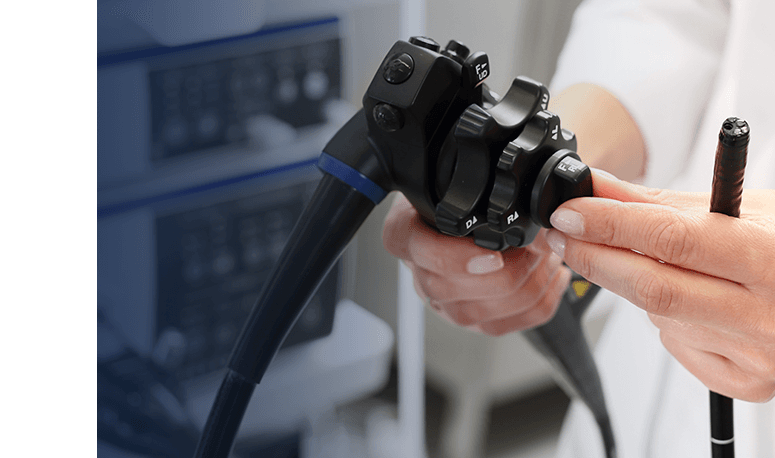
- Examination of the colon lining– A flexible camera is gently passed through the colon to check for any abnormal growths, including polyps that may develop into colorectal cancer over time.
- Removal of polyps if detected– If polyps are found, they can often be removed during the same procedure. The removed tissue may then be sent for further assessment.
- Recovery after the procedure– Most patients can return home on the same day. Those who receive sedation may need some time to recover and should follow their doctor’s post-procedure instructions.
Colonoscopy is not only used to detect colorectal cancer but also helps prevent it by allowing precancerous polyps to be identified and removed early.
Why Delaying Colorectal Screening Can Increase Risks
Colorectal cancer can develop gradually, and delaying colorectal screening Singapore may allow polyps or early cancer changes to progress without detection. Since early stages often do not cause noticeable symptoms, waiting until problems appear may result in a later diagnosis. Signs that may require medical attention include:
- Blood in stoolsor changes in stool appearance.
- Persistent changes in bowel habits, such as constipation or diarrhoea.
- Unexplained weight loss or ongoing fatigue.
- Persistent abdominal discomfort or bloating.
Conclusion
Colorectal screening plays an important role in detecting polyps and early changes before they develop into more serious conditions. Since colorectal cancer can progress without obvious symptoms, regular screening allows potential concerns to be identified and managed at an earlier stage.
Understanding your risk factors and available screening options can help you make informed decisions about your colorectal health. For personalised advice on colorectal screening and the next steps for your health needs, book a call with our clinic at:
Andrea’s Digestive Clinic: Colon | Liver | Gallbladder | GERD | Acid Reflux Specialist
Royal Square at Novena and Royal Square Medical Centre
101 Irrawaddy Rd, #21-11/12 Royal Square Medical Centre, Singapore 329565
Phone: +65 6264 2836
