

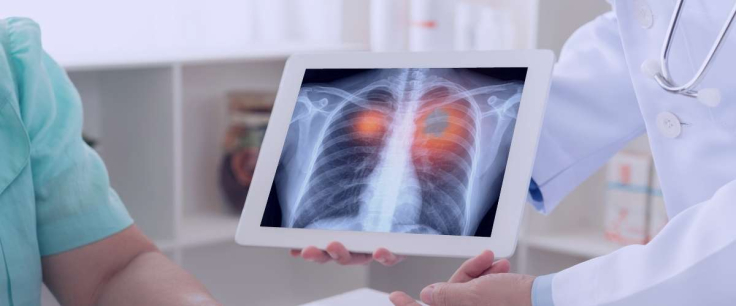
Lung cancer is one of the more serious conditions affecting lung health, and its management is highly individualised depending on the stage and overall health of the patient. Treatment is not one-size-fits-all, as some cases may be managed with medication or radiotherapy, while others require surgical intervention, particularly in early and selected intermediate stages where tumour removal offers the best outcomes.
At this point, a lung surgery clinic Singapore plays an important role in providing thorough evaluation, accurate staging, and personalised surgical planning tailored to each patient’s condition. Patients seeking specialised care can also explore a lung surgery clinic in Singapore to better understand their treatment options and next steps in a structured, specialist-led setting.
When Lung Cancer Surgery Is Recommended
Lung cancer surgery is typically recommended when the disease is detected at an early stage or when it remains localized within the lung without widespread spread to other organs. In many cases, patients with early-stage non-small cell lung cancer are considered suitable candidates for surgery, as removing the tumour can offer the best chance of long-term control or cure. A careful assessment is essential, as not all patients are immediately suitable for an operation.
At a lung surgery clinic Singapore, the decision for surgery is made after a comprehensive evaluation that includes imaging scans such as CT or PET-CT, biopsy results, and staging investigations. Doctors also assess whether the cancer has affected lymph nodes or nearby structures, which can influence treatment planning. In addition, overall lung function and general health are reviewed to ensure the patient can safely tolerate surgery and recover well afterwards.
Types of Lung Cancer Surgery Available
There are several surgical options available for treating lung cancer, and the choice depends on factors such as tumour size, location, stage, and the patient’s overall lung function. The main goal is to remove the cancer effectively while preserving as much healthy lung tissue as possible.
At a lung surgery clinic Singapore, common procedures include:
- Wedge resection – Removal of a small, wedge-shaped portion of the lung containing the tumour and surrounding tissue.
- Segmentectomy – Removal of a larger section of the lung than a wedge resection, but still lung-sparing and suitable for selected early cases.
- Lobectomy – Removal of an entire lobe of the lung. Commonly considered the standard treatment for many early-stage lung cancers.
- Pneumonectomy – Removal of an entire lung, usually reserved for more extensive or centrally located tumours when other options are not suitable.
Each procedure is carefully selected based on cancer stage and lung function tests, ensuring a balance between effective cancer control and preserving breathing capacity and quality of life.
Minimally Invasive Surgical Techniques
Advancements in thoracic surgery have significantly changed how lung cancer operations are performed, with many patients now benefiting from minimally invasive approaches. These techniques aim to achieve the same cancer removal outcomes while reducing surgical trauma and improving recovery experience.
At a lung surgery clinic Singapore, two commonly used minimally invasive methods include:
- Video-Assisted Thoracoscopic Surgery (VATS) – A technique that uses small incisions and a camera to guide the surgeon, allowing precise removal of lung tissue with less disruption to surrounding structures.
- Robotic-Assisted Thoracic Surgery (RATS) – A more advanced approach where robotic instruments provide enhanced precision, flexibility, and control during surgery.
Compared to traditional open surgery, these methods are often associated with smaller scars, reduced post-operative pain, lower risk of complications, and shorter hospital stays.
Risks, Considerations, and Pre-Surgical Evaluation
Before lung cancer surgery is carried out, a detailed pre-operative assessment is essential to ensure that the procedure is both safe and appropriate for the patient. This step helps determine surgical fitness, identify potential risks, and guide the choice of surgical approach. At a lung surgery clinic Singapore, pre-surgical evaluation typically includes:
- Imaging studies such as CT scans and PET-CT to define tumour size, location, and spread
- Biopsy results to confirm the type of lung cancer
- Lung function tests (spirometry) to assess breathing capacity and reserve
- Cardiac assessment to evaluate heart health and surgical tolerance
- General blood tests and fitness evaluation to check overall medical stability
While lung surgery is generally safe when carefully planned, it does carry potential risks, including bleeding, infection, air leaks, pneumonia, and reduced lung capacity after resection.
Recovery After Lung Cancer Surgery
Recovery after lung cancer surgery depends on the type of procedure performed, the patient’s overall health, and whether a minimally invasive or open approach was used. In general, patients spend a few days in the hospital for close monitoring of breathing, pain control, and early signs of complications such as air leaks or infection.
After discharge, recovery continues at home with gradual improvement in energy levels and breathing capacity over several weeks. At a lung surgery clinic Singapore, follow-up care includes regular reviews, imaging, and guidance on breathing exercises and physical activity. Most patients are able to resume light activities within 4 to 8 weeks, with continued recovery thereafter.
Conclusion
Lung cancer surgery remains a key treatment option for carefully selected patients, with different surgical approaches tailored to tumour stage, location, and overall lung function. From minimally invasive techniques to more extensive resections, treatment decisions are made after thorough assessment to ensure both cancer control and preservation of lung capacity.
Recovery and long-term follow-up are equally important parts of care, helping patients regain strength and monitor for any recurrence. A structured evaluation helps patients understand their options clearly and make informed decisions at every step.
To discuss your condition or explore suitable treatment options, you may arrange a consultation or book a call with us, at:
International Centre for Thoracic Surgery – Robotic Lung Surgery | Lung Cancer Treatment Singapore
Mount Elizabeth Novena Hospital
38 Irrawaddy Road, Mt Elizabeth Novena Specialist Centre, Irrawaddy Rd, #10 38, Singapore 329563
Phone: (65) 6591 8801
