

Prostate cancer is one of the most common cancers affecting men, with the risk increasing as men get older. However, the approach to managing prostate cancer is not the same for every patient. Treatment decisions depend on several factors, including the stage of cancer, tumour characteristics, PSA levels, overall health and individual preferences. A prostate cancer specialist plays an important role in helping patients understand their diagnosis, assess their treatment options and make informed decisions throughout their cancer journey.
While early-stage prostate cancer may be managed with options such as active surveillance, surgery or radiotherapy, advanced prostate cancer often requires a different approach focused on controlling disease progression and maintaining quality of life. For more information on prostate cancer care, visit https://allensimurologyclinic.com/prostate-cancer/.
Assessment and Diagnosis Before Treatment Decisions
Before deciding on a treatment plan, a thorough assessment is important to understand the extent and characteristics of prostate cancer. A prostate cancer specialist will evaluate the patient’s medical history, symptoms and investigation results to determine the most appropriate approach based on the individual’s condition.
Diagnostic assessments may include:
- PSA (prostate-specific antigen) blood test: Measures PSA levels, which may provide an indication of possible prostate abnormalities and help monitor changes over time.
- Digital rectal examination (DRE): Allows the doctor to assess the size and texture of the prostate for any irregularities.
- Prostate biopsy: Involves examining prostate tissue samples to confirm the presence of cancer and determine the cancer grade.
- Imaging scans: May be used to assess the size of the tumour and check whether cancer has spread beyond the prostate.
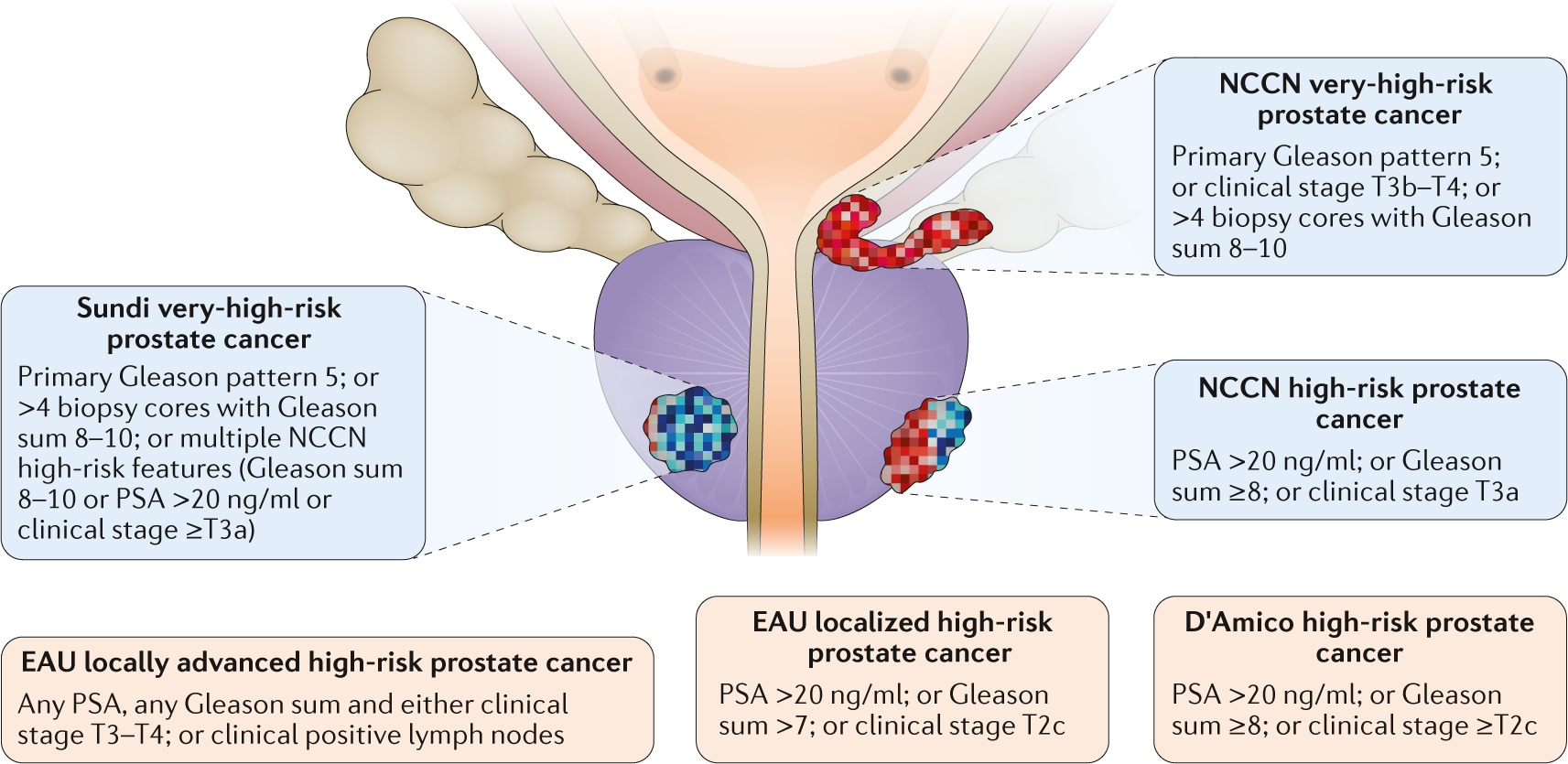
These assessments help determine important factors such as the cancer stage, tumour characteristics and overall risk profile.
Managing Early-Stage Prostate Cancer: Monitoring and Curative Treatment Options
Depending on the individual situation, early-stage prostate cancer may be managed through:
- Active surveillance: Suitable for some patients with low-risk prostate cancer. This approach involves regular PSA tests, examinations and follow-up assessments to monitor whether the cancer shows signs of progression before starting active treatment.
- Surgery: A procedure such as radical prostatectomy may be considered to remove the prostate and aim to treat cancer that has not spread beyond the prostate.
- Radiotherapy: Uses targeted radiation to destroy cancer cells and may be recommended for certain patients as an alternative to surgery or as part of a combined treatment approach.
The goal of managing early-stage prostate cancer is to control or eliminate the cancer while considering the potential impact of treatment on urinary function, sexual health and overall quality of life. A prostate cancer specialist can help patients understand the benefits and considerations of each option to make a decision that suits their condition and lifestyle.
Treating Advanced Prostate Cancer and Managing Disease Progression
A prostate cancer specialist will assess factors such as where the cancer has spread, previous treatments, PSA trends and the patient’s overall health before recommending an appropriate treatment plan. Depending on the individual case, management options may include:
- Hormone therapy: Also known as androgen deprivation therapy (ADT), this treatment reduces or blocks male hormones that can encourage prostate cancer growth.
- Radiotherapy: May be used to target cancer in specific areas, control symptoms or treat certain sites where cancer has spread.
- Chemotherapy: May be considered for some patients to help control cancer that has progressed or become resistant to other treatments.
- Targeted treatments or newer systemic therapies: Certain patients may benefit from additional treatment approaches based on the characteristics of their cancer.
Managing advanced prostate cancer often involves ongoing monitoring and adjustments to treatment over time.
Managing Side Effects and Maintaining Quality of Life During Treatment
While prostate cancer treatments aim to control or treat the disease, some patients may experience side effects that affect daily life. Understanding these possible effects and having appropriate support can help patients manage their recovery and maintain their wellbeing throughout treatment.
A prostate cancer specialist will discuss potential side effects before starting treatment and provide guidance on ways to manage them. Depending on the type of treatment, patients may experience concerns related to:
- Urinary function: Some treatments may affect bladder control or urinary symptoms, which can often be monitored and managed with appropriate support.
- Sexual health: Changes in erectile function or sexual wellbeing may occur after certain treatments, and patients can discuss available management options with their doctor.
- Hormonal changes: Hormone therapy may cause effects such as hot flushes, fatigue, mood changes or changes in body composition.
- Emotional wellbeing: Receiving a cancer diagnosis and undergoing treatment can be challenging, making emotional support and open communication important.
The Importance of Regular Follow-Up After Prostate Cancer Treatment
Follow-up care remains an important part of prostate cancer management after treatment is completed. A prostate cancer specialist will monitor recovery, assess treatment outcomes and check for any signs of cancer recurrence through regular reviews.
Follow-up may include:
- PSA testing: To track changes that may indicate treatment response or recurrence.
- Symptom review: To address urinary changes, pain or other concerns.
- Further assessments: Additional tests may be recommended based on individual risk factors.
Regular monitoring allows concerns to be identified early, while providing ongoing support for patients’ health and wellbeing throughout their recovery journey.
Conclusion
Managing prostate cancer involves understanding the condition, evaluating available treatment options and receiving care that is suited to each patient’s needs. Whether prostate cancer is detected at an early stage or has progressed, working with a prostate cancer specialist can help patients better understand their diagnosis and make informed decisions about their care.
If you have concerns about prostate cancer, an elevated PSA level or would like to discuss your treatment options, contact our clinic, at:
Allen Sim Urology | Dr Allen Sim Soon Phang
Johor Clinic
Regency Specialist Hospital
Clinic F7, Ground Floor, No 1, Jln Suria, Bandar Seri Alam, 81750 Masai
Phone: +6017 523 3183
Singapore Clinic
Singapore Mount Alvernia Hospital
Medical Centre A, #02-03, 820 Thomson Road Singapore 574623
Phone: +65 9727 3900
