

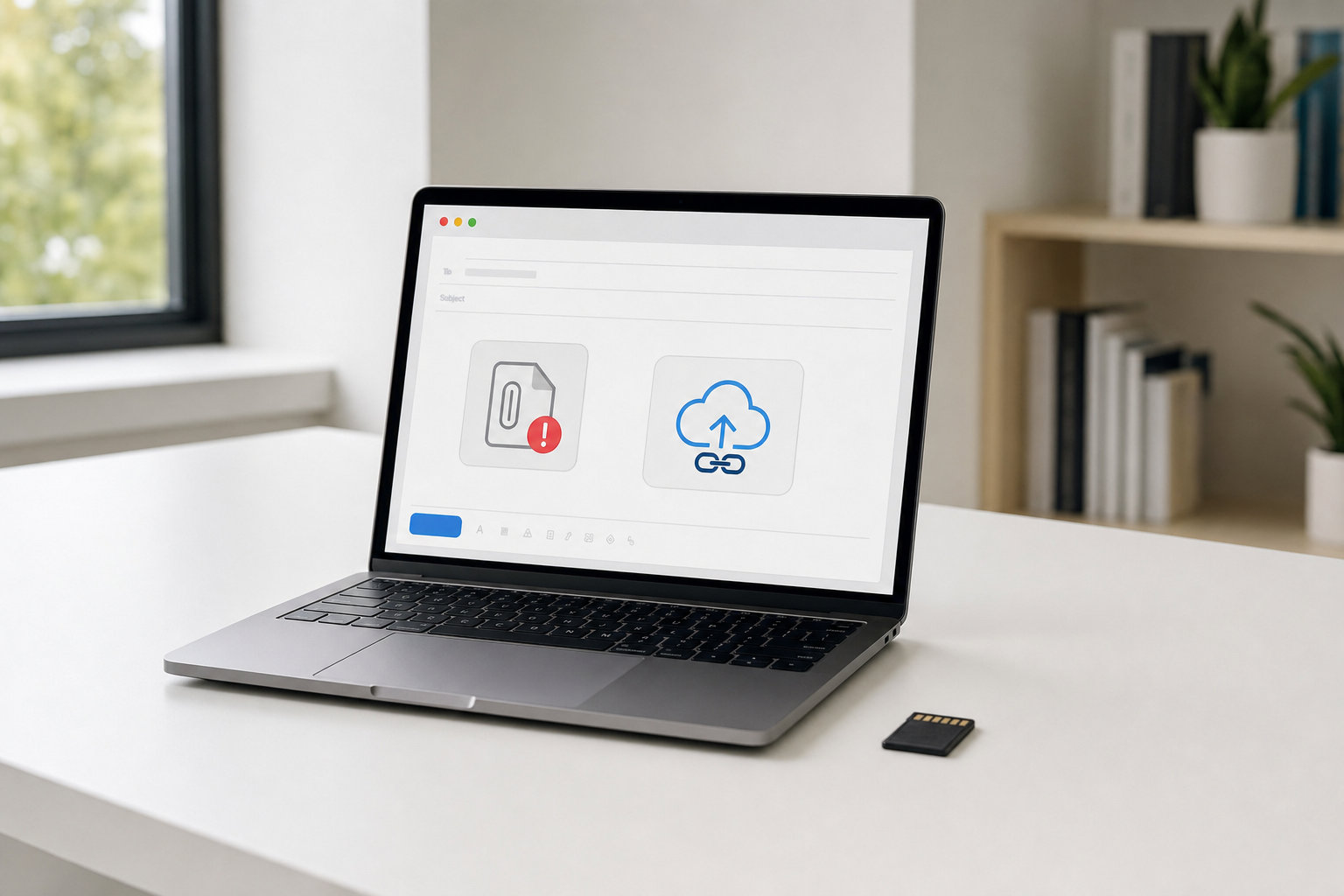
Sharing large images by email can be challenging due to file size restrictions imposed by most email services. Finding effective methods to deliver high-resolution images without compromising quality or accessibility requires careful consideration. This article explores practical solutions for sending large images through email while overcoming attachment limitations.
Many popular email providers enforce strict attachment limits, often making it impossible to send large images directly. One way to navigate this barrier is to upload your image here and then distribute the access link by email. This avoids common issues such as bounced messages or poor image quality resulting from excessive compression. Understanding available tools and best practices allows you to deliver large images efficiently and securely, regardless of the recipient’s email provider.
Understanding email attachment limits and their impact
Nearly all mainstream email services, such as Gmail and Outlook, place size limits on file attachments. These limits typically range from 20MB to 25MB, which may be insufficient for large, high-resolution images or collections of photos. When an attachment exceeds these thresholds, the email is either rejected or the file is automatically compressed, which can degrade image quality.
The imposed limits often disrupt workflows for professionals and hobbyists alike, especially when images must be preserved at full resolution. Relying on standard attachments is rarely practical for sharing high-quality visuals, making it important to seek alternative delivery methods for larger files.
Utilizing external hosting services to bypass size restrictions
To overcome email limitations, consider uploading the images to a reputable image hosting platform or cloud storage service. Once uploaded, you can simply generate a shareable link and include it in your email. This method ensures the recipient receives access to the original, uncompressed image without worrying about size limits or compatibility issues.
Many image hosting websites, as well as cloud providers like Google Drive or Dropbox, offer free accounts suitable for occasional sharing. Always verify the platform’s privacy controls before distributing your link, as some services can make your images visible to the public if the correct settings are not applied. Taking careful steps when generating links helps you manage both privacy and accessibility for your intended audience.
Tips and precautions for secure and effective sharing
When sharing large images via email using external links, consider encrypting sensitive files or password-protecting access if privacy is a concern. Regularly check that links remain active and that your chosen platform does not automatically delete files after a set period, which might cause recipients to lose access unexpectedly.
It is also wise to provide clear instructions in your email so recipients know how to access and download the images without difficulty. These precautions help ensure the images are delivered seamlessly and with minimal risk of miscommunication or accidental data exposure.
