

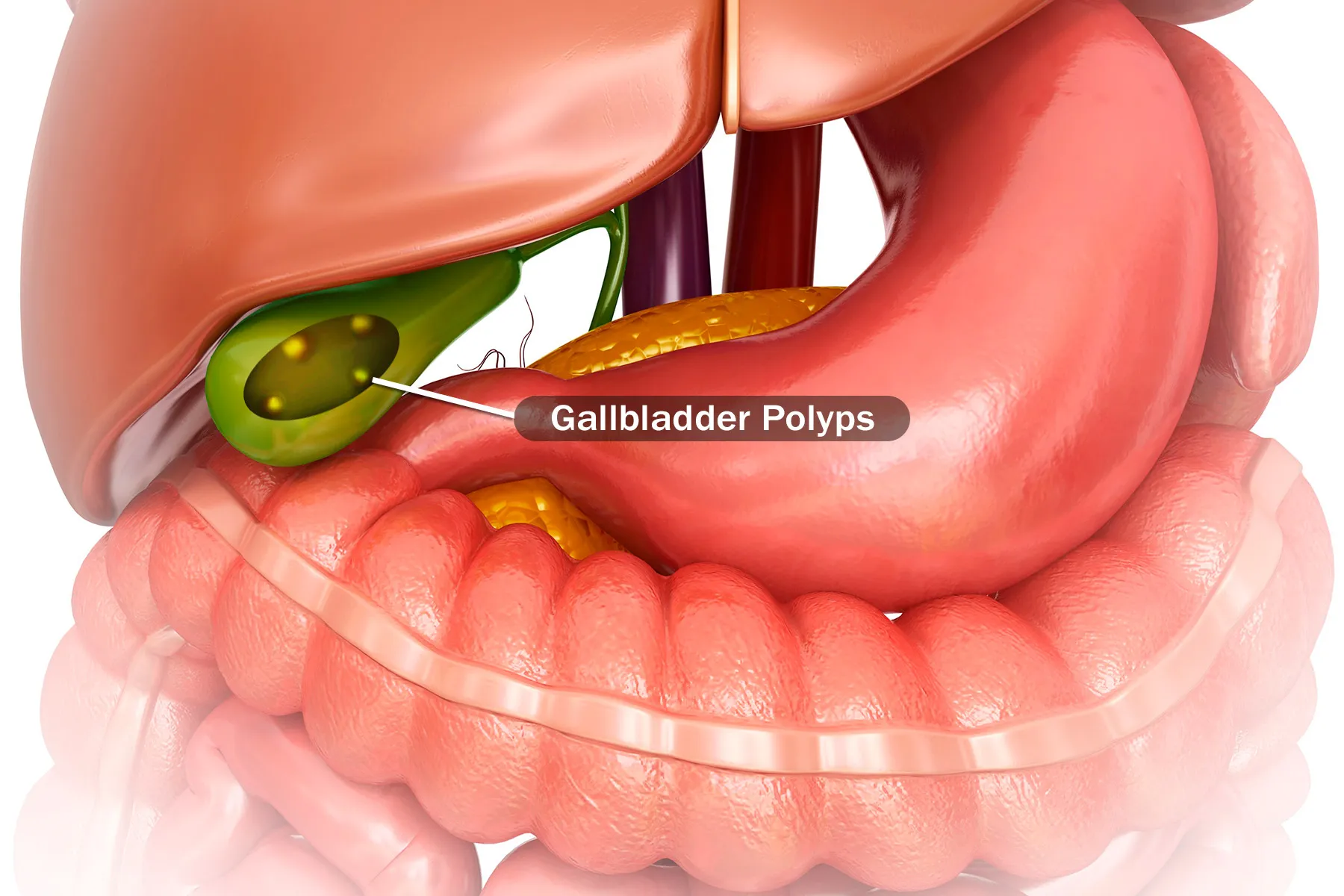
Gallbladder polyps are small growths in the gallbladder that are often discovered incidentally during routine ultrasound scans for abdominal pain or health screening. While many gallbladder polyps are benign and do not cause immediate harm, their behaviour over time, especially whether they remain stable or increase in size, is the most important factor in clinical decision-making.
This article will help you understand what “growth” of gallbladder polyps really means, why it matters, and when it becomes a sign that further evaluation may be needed. You can learn more here https://gallbladderdr.sg/gallbladder-polyps/.
What Are Gallbladder Polyps and How Are They Found?
Gallbladder polyps are abnormal tissue growths that form on the inner lining of the gallbladder. In most cases, they are not true tumours but are made up of cholesterol deposits or benign overgrowths of the gallbladder wall. The majority of gallbladder polyps do not cause any symptoms, which is why they are most commonly discovered incidentally during abdominal ultrasound scans done for unrelated concerns such as abdominal pain, routine health screening, or liver function tests.
On ultrasound imaging, gallbladder polyps typically appear as small, fixed projections attached to the gallbladder wall. This is an important distinction because, unlike gallstones, which are mobile and can shift position with changes in posture, polyps remain attached in place. Since they rarely produce symptoms, most patients are unaware of their presence until imaging is performed. As a result, establishing an accurate baseline size and appearance is essential for future comparison and monitoring.
What Does “Growing Gallbladder Polyps” Actually Mean?
When doctors refer to gallbladder polyps as “growing,” they are usually describing a measurable increase in size seen on follow-up ultrasound scans over time. This is typically assessed by comparing the diameter of the polyp at different time points, for example, a change from 4mm to 6mm over several months or years. Even small increases are taken seriously because they may reflect changes in the nature of the polyp or its underlying composition.
It is important to understand that measurement differences can sometimes occur due to imaging technique, patient positioning, or differences between ultrasound operators. However, consistent and confirmed enlargement across repeat scans is what is considered true growth. In clinical practice, growth trends are often more important than a single size measurement, as they help guide whether continued observation is appropriate or whether further evaluation is needed.
Why Gallbladder Polyps May Increase in Size Over Time
The reasons why gallbladder polyps grow are not always clear, but several common explanations are recognised in clinical practice. Many small polyps are cholesterol-related, and these may slowly change in size as cholesterol deposits continue to accumulate within the gallbladder wall. In other cases, chronic low-grade inflammation of the gallbladder lining may contribute to gradual thickening or enlargement of existing polyps.
Not all growth indicates a dangerous change. Some polyps remain stable for years, while others show slow, minimal increase without developing into serious disease. However, a small proportion of polyps may represent adenomas or other types of growths that carry a higher risk of progression.
When Growth of Gallbladder Polyps Becomes a Concern
Not all growth in gallbladder polyps is dangerous, but certain patterns and risk factors make closer evaluation necessary. In clinical practice, doctors usually assess both the size change and the overall risk profile of the patient before deciding on next steps.
Growth becomes more concerning when the following features are present:
- Increase in size over time, especially confirmed growth on repeat ultrasound scans
- Polyp size approaching or exceeding 10mm, which is generally considered a higher-risk threshold
- Rapid enlargement, rather than slow or minimal change over long intervals
- Sessile (broad-based) appearance, which may carry higher risk compared to pedunculated polyps
- Presence of additional risk factors, such as older age or coexisting gallstones
- New or persistent symptoms, such as upper abdominal discomfort or unexplained digestive issues
When these features are present, doctors may recommend closer monitoring or further investigation to better assess the nature of the polyp and determine whether intervention is necessary.
Monitoring Gallbladder Polyps Over Time
Monitoring is a key part of managing gallbladder polyps, especially when they are small and show no concerning features. Since many polyps remain stable for years, regular follow-up allows doctors to track any changes in size, shape, or behaviour and make timely decisions if needed.
In most cases, surveillance is done using abdominal ultrasound at scheduled intervals. The exact timing depends on the initial size and risk profile of the polyp. Typical follow-up approaches may include:
- Small, low-risk polyps: periodic ultrasound every 6–12 months initially
- Stable polyps over time: longer intervals between scans or eventual discharge from follow-up
- Polyps with risk features: more frequent imaging to detect early changes
Consistency in imaging is important, as it helps ensure that any change in size is accurately detected. Doctors often compare each scan directly with previous results to assess whether true growth has occurred. This structured follow-up approach helps balance safety with avoiding unnecessary procedures in patients with low-risk findings.
Treatment Options if Gallbladder Polyps Grow
When gallbladder polyps show significant growth or develop concerning features, treatment decisions are based on overall risk rather than size alone. Management typically falls into two main approaches:
- Continued monitoring
- Suitable for small polyps with minimal or slow growth
- Regular ultrasound scans are used to track changes over time
- Avoids unnecessary surgery in low-risk cases
- Surgical removal (cholecystectomy)
- Recommended when polyps grow beyond higher-risk thresholds or show rapid enlargement
- Often performed using a minimally invasive laparoscopic approach
- Removes the gallbladder entirely to eliminate future risk
The choice between observation and surgery depends on the rate of growth, imaging features, symptoms, and individual patient risk factors, ensuring treatment is tailored to each case.
Conclusion
Gallbladder polyps are often harmless, but changes in size over time are an important factor in determining whether they remain low risk or require closer attention. Regular monitoring helps detect meaningful growth early, while avoiding unnecessary procedures in stable cases.
Understanding how polyps behave over time allows patients to make more informed decisions about follow-up and treatment when needed. For assessment, screening, or further evaluation of gallbladder polyps, you may contact: our clinic, at:
Dr Lee Chin Li – Lee Surgery and Endoscopy | Colorectal Surgery | Gallbladder Surgery Singapore
Phone: +65 8952 6327
Gleneagles Medical Centre
Lee Surgery and Endoscopy
6 Napier Road, #04-16, Singapore 258499
Mount Elizabeth Medical Centre (Orchard)
Dr Lee @ KYM Surgery
3 Mount Elizabeth, #12-01, Singapore 228510
Farrer Park Medical Centre
Dr Lee @ KYM Surgery
1 Farrer Park Station Road, #13-05, Singapore 217562
