

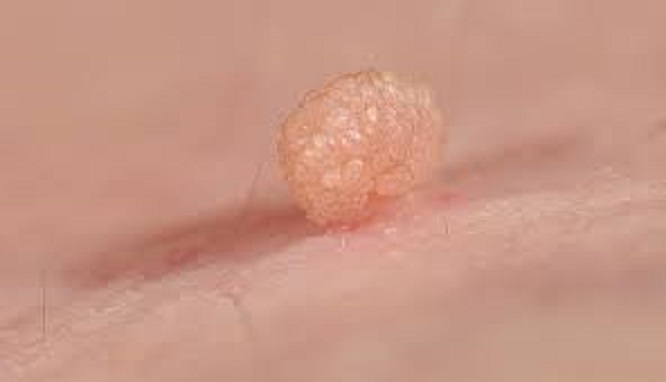
Warts and skin tags are common, usually harmless skin growths that many people develop at some point in their lives. Because they are often small, painless, and non-intrusive, it’s easy to ignore them or assume they will go away on their own. However, leaving these growths unchecked can sometimes lead to discomfort, irritation, or even the spread of warts to other areas of the body. This is where a dermatologist Singapore plays a crucial role.
A professional dermatologist in Singapore can accurately assess your skin, identify any underlying concerns, and recommend safe, effective treatments tailored to your needs. What may seem harmless at first glance could occasionally signal a more serious issue, making timely consultation essential.
What Are Warts and Skin Tags?
Warts and skin tags are two of the most common types of skin growths. While they are generally harmless, understanding their differences and causes can help you manage them effectively.
Warts
Warts are small, rough growths caused by the human papillomavirus (HPV). They can appear on the hands, feet, or other areas and are contagious through direct contact or shared surfaces.
Skin Tags
Skin tags are soft, flesh-colored growths that usually develop in areas of friction, such as the neck, underarms, or groin. They are benign, non-contagious, and typically painless, though they can become irritated from rubbing.
Common Risk Factors
There are several factors that can increase a person’s likelihood of developing warts or skin tags, ranging from:
- Weakened immune system (for warts)
- Direct contact with HPV or contaminated surfaces
- Friction between skin folds (for skin tags)
- Obesity or rapid weight gain
- Hormonal changes, such as pregnancy
- Conditions like diabetes
- Family history of skin growths
Consulting a dermatologist Singapore can help you identify these growths accurately and rule out other skin conditions.
Why Ignoring Warts and Skin Tags Can Be Problematic
While warts and skin tags are generally harmless, ignoring them can sometimes lead to complications. Warts, caused by the human papillomavirus (HPV), are contagious and can spread to other parts of the body or to other people, especially through direct contact or shared personal items. This can result in multiple growths over time, which may become uncomfortable or unsightly. Skin tags, although benign, can be easily irritated by clothing, jewelry, or constant friction, sometimes causing redness, bleeding, or discomfort.
In rare cases, what appears to be a simple wart or skin tag may actually resemble more serious skin conditions, including certain types of skin cancer. Because of this, a professional assessment is important to ensure proper diagnosis and treatment. Addressing these skin changes early not only helps prevent potential complications but also allows for safe and effective removal, minimizing the risk of scarring and recurrence.
Treatment Options
There are several safe and effective ways to remove warts and skin tags, depending on their size, location, and type. While some people try over-the-counter solutions, these are often less effective and can sometimes cause irritation or incomplete removal. Professional treatments at a clinic offer more reliable results and reduce the risk of scarring or infection.
Common treatment options include:
- Cryotherapy: Freezing the growth with liquid nitrogen, causing it to fall off after a few sessions.
- Excision: Minor surgical removal under local anesthesia, suitable for larger or persistent growths.
- Laser removal: Using targeted laser energy to destroy the growth, ideal for delicate areas or multiple tags.
- Topical treatments: Prescription creams that help remove certain types of warts over time.
Choosing the right method depends on factors such as the size, number, and location of the growths, as well as the patient’s medical history. Professional treatment ensures proper sterilization, accurate identification, and minimal risk of recurrence.
Prevention and Care
While some warts and skin tags may be unavoidable, there are steps you can take to reduce the likelihood of developing them and to prevent irritation or recurrence. Maintaining good personal hygiene and avoiding direct contact with warts on other people or contaminated surfaces can help limit the spread of the virus that causes warts. For skin tags, minimizing friction by wearing loose-fitting clothing and keeping skin folds dry can reduce irritation and the risk of new growths. Maintaining a healthy weight and managing underlying conditions such as diabetes may also help lower the chances of developing skin tags.
It is equally important to monitor your skin regularly for any changes in size, shape, or color of existing growths, as well as for new growths that appear unexpectedly. Regular check-ins with a dermatologist Singapore can provide guidance on proper skin care, ensure safe removal when necessary, and offer peace of mind that your skin is healthy.
When to See a Dermatologist
It’s important to consult a professional if you notice any changes or concerns with warts or skin tags. Signs that warrant a visit include:
- Rapid growth or sudden increase in number
- Pain, bleeding, or persistent irritation
- Color changes, unusual shape, or irregular borders
- Growths appearing in sensitive areas such as the face, eyelids, or genitals
- Recurring warts despite previous treatment
A professional can also rule out other skin conditions and provide guidance on preventing future growths, helping you maintain healthy skin with minimal risk.
Conclusion
Warts and skin tags are common skin growths that are usually harmless, but ignoring them can sometimes lead to discomfort, irritation, or more serious concerns. Early assessment and professional treatment not only ensure safe removal but also help prevent recurrence and maintain healthy, smooth skin. If you notice any new growths or changes to existing ones, it’s best to seek professional advice. Book a consultation with our experienced dermatologist at:
Livingstone Dermatology – Dr Sean Leong | Dermatologist Singapore
Novena Medical Center Family Clinic
10 Sinaran Dr, #09-20 Novena Medical Center, Singapore 307506
Phone: (65) 8070 5266
