

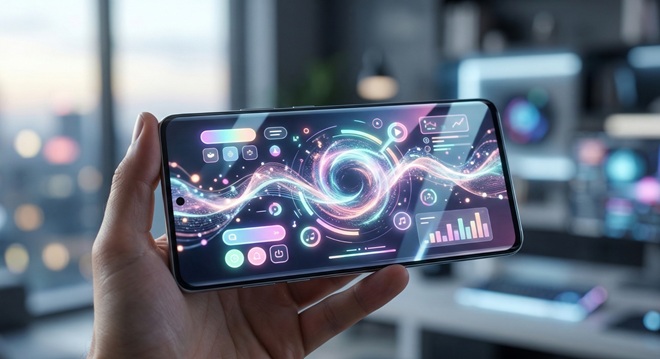
The Role of High-Performance Chips in Current Gadget Use
The current state of the smartphone industry is defined by a relentless push for higher processing efficiency. As mobile applications become more demanding, the hardware must keep pace to ensure that the user experience remains fluid. This is particularly evident when we examine how silicon manufacturers like Qualcomm and MediaTek are prioritizing Neural Processing Units (NPUs) and Graphics Processing Units (GPUs) that can handle real-time video decoding alongside complex data processing.
In the past, mobile gaming was largely limited to localized assets stored on the device. Today, the trend has moved toward hybrid environments where high-definition video is streamed from remote servers while the local hardware manages the interactive UI layer. This puts a unique strain on the system-on-a-chip (SoC). The processor must manage the incoming data packets, decode the video stream in milliseconds, and maintain a responsive touch interface without overheating. For users who engage with high-fidelity content, the efficiency of these chips determines whether the experience is seamless or plagued by frame drops.
Display Technologies and Refresh Rate Optimization
Display technology has seen significant progress with the widespread adoption of LTPO (Low-Temperature Polycrystalline Oxide) panels. These screens allow for a dynamic refresh rate that can scale from 1Hz to 120Hz or even 144Hz depending on the content. When a user is reading static text, the screen slows down to save battery. However, once interactive elements or live video feeds are introduced, the panel ramps up to its maximum frequency.
This hardware capability is vital for interactive media. High refresh rates reduce input lag, which is the time between a physical touch and the visual response on the screen. For applications that feature live hosts or real-time movement, such as sweet bonanza candyland live, the ability of the screen to sync with the broadcast frame rate is essential. It ensures that the visual transitions are smooth and that the interactive buttons react instantly to user input. Without these advancements in display controllers, the synchronization between the audio, video, and the interactive overlay would break down, ruining the immersion of the current generation of mobile entertainment.
Connectivity Standards: Wi-Fi 7 and 5G Integration
The backbone of any streaming-based mobile application is the network connection. We have moved past the era where 4G was sufficient for most tasks. With the global rollout of 5G and the introduction of Wi-Fi 7 in flagship devices, the bottleneck has shifted from raw speed to latency. Latency, often measured as “ping,” is the delay in data transmission. In the context of interactive broadcasts, low latency is the difference between participating in a live event and watching a delayed recording.
Current gadgets use advanced antenna arrays to maintain a stable signal even in congested environments. MIMO (Multiple-Input Multiple-Output) technology allows the device to use several antennas simultaneously to send and receive data. This is particularly important for high-definition live streams that require a constant bit rate. If the connection fluctuates, the software must quickly downscale the resolution to prevent buffering. High-end Android devices now include software-level network prioritization that gives bandwidth preference to active streaming apps, ensuring that the connection remains robust during critical moments of interaction.
Software Optimization and Browser Performance
While hardware provides the foundation, the software environment—specifically mobile browsers and specialized app wrappers—is where the actual rendering happens. Chromium-based browsers on Android have undergone extensive updates to better handle WebGL and WebRTC protocols. These technologies allow for high-quality video and 3D graphics to run directly in the browser without the need for external plugins.
Developers of interactive platforms take advantage of these improvements to create interfaces that feel like native applications. For instance, when running complex live-host titles, the browser must manage multiple layers: the live video feed, the digital betting interface, and the real-time chat. The resource management of the Android OS ensures that background processes do not interfere with the primary task. This synergy between the OS and the browser engine allows users to access sophisticated platforms with the same level of performance they would expect from a dedicated desktop setup.
Thermal Management and Sustained Performance
One of the biggest hurdles for mobile devices is heat. High-definition streaming and constant data transmission generate significant thermal energy. If a phone becomes too hot, the “thermal throttling” kicks in, reducing the CPU and GPU clock speeds to cool the device down. This results in stuttering and lag.
To combat this, manufacturers have introduced advanced cooling solutions, including vapor chambers and graphite cooling pads. These components spread the heat across a larger surface area, allowing the device to maintain peak performance for longer periods. This is a crucial factor for mobile users who spend more than twenty minutes in a single interactive session. Whether you are editing a video on the go or participating in a live broadcast, the ability of the hardware to stay cool directly impacts the longevity and quality of the session.
The Future of Interactive Gadgets
Looking ahead, the integration of AI at the hardware level will likely redefine how we consume streaming content. We are already seeing “AI upscaling,” where the phone’s processor can take a 720p video stream and enhance it to 1080p or 1440p in real-time using machine learning algorithms. This reduces the amount of data the user needs to download while still providing a crisp visual experience.
Furthermore, the rise of foldable devices and tablets is changing the UI design of interactive apps. More screen real estate allows for multi-window setups where a user can have a live stream on one half of the screen and a different application on the other. This multitasking capability is a testament to the power of current mobile hardware. As these gadgets become more accessible, the barrier between professional-grade workstations and mobile devices continues to blur, making the smartphone the primary hub for both productivity and high-end digital interaction.
In summary, the seamless experience of current mobile applications is the result of a complex interplay between high-speed processors, responsive displays, and low-latency networking. As developers continue to push the boundaries of what is possible in the mobile format, the hardware must continue to adapt, providing the stability and power required for the next era of digital content.
