

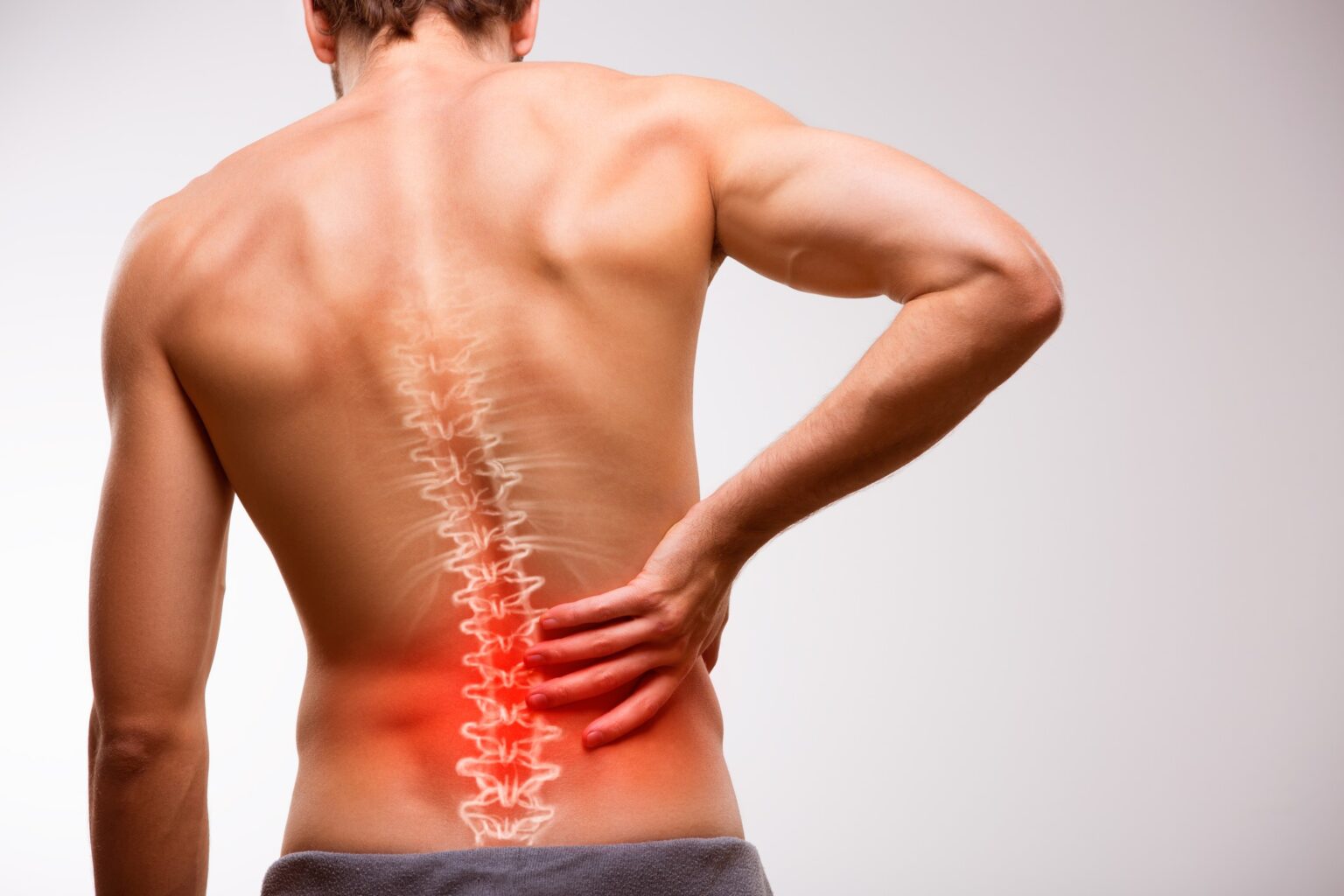
Prolonged sitting and limited movement during the working day can aggravate back discomfort, particularly for people who spend long hours at a desk. A herniated disc occurs when disc material extends beyond its usual boundary and may irritate nearby nerves, potentially causing lower back pain, pain that radiates into the buttocks or legs, tingling or numbness. These symptoms can affect concentration, mobility and the ability to carry out everyday work tasks.
For those experiencing persistent discomfort, herniated disc treatment Singapore may involve different approaches depending on the underlying cause and severity of symptoms. As back pain can also result from muscle strain, joint problems or other spinal conditions, a proper medical assessment is important to identify the likely source of pain and determine suitable treatment options. Learn more about herniated disc treatment and the available approaches to managing persistent back pain here https://www.totalpainspecialist.com/5-effective-tips-to-alleviate-pain-from-herniated-disc/.
How Prolonged Sitting May Affect Herniated Disc Symptoms
Spending several hours seated at a desk can place sustained demands on the lower back, particularly when movement is limited or a person remains in a position that aggravates existing symptoms. For individuals with a herniated disc, sitting for extended periods may increase discomfort or worsen pain that travels into the buttocks or legs. Long meetings, computer-based tasks and daily commutes can make it difficult to change positions regularly, potentially affecting comfort throughout the day.
However, prolonged sitting does not necessarily cause a herniated disc, which may develop due to age-related disc changes, injury or other factors. Identifying specific activities and positions that trigger symptoms can help guide appropriate adjustments and support discussions with a healthcare professional about suitable treatment options.
Recognising When Workplace Back Pain Needs Medical Assessment
Occasional back discomfort may improve with movement and changes to daily activities, but persistent or recurring pain deserves closer attention. A herniated disc may cause lower back pain, sciatica, tingling or numbness if nearby nerves become irritated or compressed. Some people may also experience muscle weakness or difficulty walking, which can affect their ability to perform routine work tasks. A medical assessment can help determine whether symptoms are related to a herniated disc or another condition.
A doctor may review your medical history, assess your movement, muscle strength, sensation and reflexes, and recommend an MRI scan when clinically indicated. Seek emergency medical attention immediately if you develop new bladder or bowel dysfunction, numbness around the groin or saddle area, or rapidly worsening leg weakness, as these may indicate serious nerve compression requiring urgent treatment.
Workplace Adjustments to Reduce Back Discomfort
Making practical changes to your workstation may help reduce discomfort and make it easier to manage a herniated disc during the working day. Adjust your chair height so that your feet rest comfortably on the floor and position your monitor at a suitable viewing height to avoid prolonged awkward postures. While maintaining a comfortable sitting position can help, avoid staying in the same posture for too long. Take regular movement breaks to stand, walk briefly or change position throughout the day, particularly after long meetings or extended periods of computer work.
Alternating between sitting and standing may also help some individuals manage their symptoms. However, the most comfortable position varies from person to person, so pay attention to movements or postures that worsen your pain. These adjustments can support symptom management, but they do not repair a herniated disc or replace medical assessment when symptoms persist.
The Role of Exercise and Physiotherapy in Managing Symptoms
Appropriate physical activity and physiotherapy may help people with a herniated disc maintain mobility, improve physical function and manage discomfort during recovery. A physiotherapist can develop an individualised programme that may include gentle movements, strengthening exercises and guidance on modifying daily activities. These measures can help support the muscles around the spine and make work-related tasks more manageable.
Although back pain may encourage people to avoid movement, prolonged inactivity can contribute to stiffness and reduced physical conditioning. Instead, gradually returning to tolerable activities may be beneficial, depending on the severity of symptoms. Exercises should be selected according to individual needs, as certain movements may aggravate pain that radiates into the legs. If exercise causes a significant increase in pain, new numbness or worsening weakness, stop the activity and seek medical advice. A healthcare professional can help determine an appropriate exercise plan alongside other treatment options.
Medical and Non-Surgical Herniated Disc Treatment Options
When workplace adjustments and exercise are insufficient to manage symptoms, other treatment options may be considered. The appropriate approach depends on the severity of the pain, the extent of nerve involvement and how symptoms affect daily activities. Conservative management may include suitable medication, activity modification and physiotherapy to support recovery and improve function.
For selected patients experiencing nerve-related pain, an epidural steroid injection may be considered to help reduce inflammation around the affected nerves and provide symptom relief. However, the effects can vary between individuals, and injections do not physically reposition the disc or guarantee long-term relief. Surgery may be discussed when symptoms remain severe despite appropriate non-surgical treatment or when significant neurological problems develop.
When to Consult a Pain Specialist in Singapore
If back pain or radiating leg discomfort continues to interfere with work, sleep or everyday activities, consulting a pain specialist may help clarify the cause and identify suitable treatment options. This is particularly important when symptoms persist despite medication, physiotherapy or changes to workplace habits. During the consultation, the specialist may review your symptoms, medical history and previous treatments, alongside a physical and neurological examination.
Imaging, such as an MRI, may be recommended when necessary to investigate suspected disc problems or nerve compression. Treatment recommendations should take into account both clinical findings and how symptoms affect your daily life, rather than relying on scan results alone. For people seeking herniated disc treatment Singapore, a personalised management plan may include conservative care, targeted pain management procedures or referral for surgical assessment when appropriate.
Conclusion
Managing a herniated disc while working a sedentary job may involve workplace adjustments, appropriate exercise and medical treatment tailored to your symptoms. If back pain or nerve-related symptoms persist and affect your daily activities, seeking medical assessment can help identify the cause and determine suitable treatment options. For persistent back pain or symptoms associated with a herniated disc, consult our specialist at:
Total Pain Specialist Clinic
Farrer Park Station Rd, #10-10 Farrer Park Medical Centre, Singapore 217562
Phone: +65 8908 1406
