

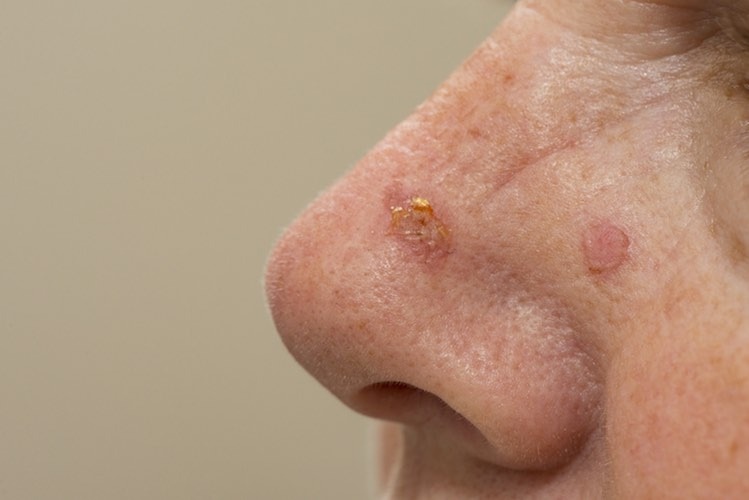
Skin cancer develops when abnormal skin cells grow uncontrollably, often due to damage caused by ultraviolet (UV) radiation from the sun or tanning devices. Although it commonly affects sun-exposed areas such as the face, neck and arms, it can also develop on less exposed parts of the body. People of all skin tones can develop skin cancer, and warning signs may not always be obvious. Early assessment can help identify suspicious changes and determine the appropriate treatment. Consulting a skin doctor Singapore here https://thedermclinic.com.sg/skin-cancer/ can help individuals evaluate unusual moles, persistent sores or new skin growths and establish whether further investigation is necessary.
Warning Signs of Skin Cancer
Skin cancer can appear in different forms, making it important to pay attention to changes in the skin. Warning signs include a new growth, a sore that does not heal, a lesion that bleeds repeatedly or a mole that changes in size, shape or colour. The ABCDE guide can help identify features associated with melanoma: Asymmetry, Border irregularity, Colour variation, Diameter and Evolution (changes over time).
However, not all skin cancers resemble moles. Some may appear as pearly bumps, firm lumps or persistent scaly patches. While these changes do not necessarily indicate cancer, any unusual or evolving lesion should be assessed by a medical professional rather than diagnosed through appearance alone.
How a Skin Doctor Diagnoses Skin Cancer
Diagnosing skin cancer typically begins with a review of the patient’s medical history, sun exposure, previous skin conditions and family history of skin cancer. A dermatologist will examine the skin for unusual lesions and may use a dermatoscope, a handheld device that magnifies skin structures, to assess suspicious areas more closely.
If skin cancer is suspected, a skin biopsy may be necessary to obtain a tissue sample for examination under a microscope. This helps confirm the diagnosis and identify the type of cancer. The results, including the tumour’s depth and other relevant features, help guide treatment decisions. For selected cases, further investigations may be required to determine whether the cancer has spread beyond the skin.
Treatment Options for Basal Cell Carcinoma
Basal cell carcinoma (BCC) is the most common type of skin cancer. It usually grows slowly and rarely spreads to distant parts of the body, but it can invade surrounding tissues and cause damage if left untreated. Treatment depends on the tumour’s size, location, subtype and risk of recurrence. A dermatologist may recommend one of the following options:
- Surgical Excision: Removes the cancerous lesion along with a margin of surrounding tissue to reduce the risk of leaving cancer cells behind.
- Mohs Micrographic Surgery: Removes cancerous tissue layer by layer while examining the edges under a microscope. It may be suitable for selected high-risk tumours or lesions in areas where preserving healthy tissue is important.
- Curettage and Cautery: Scrapes away the lesion and uses heat to destroy remaining cancer cells. This may be appropriate for selected low-risk BCCs.
- Cryotherapy: Uses extreme cold to destroy abnormal tissue in carefully selected cases.
- Topical Medications: Prescription creams may be considered for certain superficial BCCs.
- Radiotherapy: May be an option when surgery is unsuitable or in selected cases where additional treatment is needed.
A dermatologist will assess the lesion and recommend the most appropriate treatment based on the diagnosis and individual circumstances.
Treatment Options for Squamous Cell Carcinoma
Squamous cell carcinoma (SCC) is a type of skin cancer that develops in squamous cells, which form the outer layers of the skin. It may appear as a scaly patch, a firm lump or a persistent sore that does not heal. Although many cases can be treated successfully, SCC can spread to other parts of the body, particularly when high-risk features are present. Treatment options include:
- Surgical Excision: Removes the cancerous lesion and a margin of surrounding tissue for examination.
- Mohs Micrographic Surgery: Removes cancerous tissue layer by layer while checking the margins under a microscope. It may be recommended for selected high-risk tumours or lesions in sensitive locations.
- Radiotherapy: May be considered when surgery is unsuitable or as part of treatment for selected cases.
- Additional Treatment: High-risk or more extensive SCC may require further investigations, specialist referral or additional treatment based on the pathology findings and extent of the cancer.
The choice of treatment depends on the tumour’s size, depth, location and other risk factors. Early assessment by a dermatologist can help determine the appropriate approach and whether further monitoring is necessary.
Melanoma and Its Treatment Approaches
Melanoma develops from melanocytes, the cells responsible for producing skin pigment. Although it is less common than basal cell carcinoma and squamous cell carcinoma, it can spread to other parts of the body and requires prompt assessment. Melanoma may appear as a new mole or an existing mole that changes in size, shape or colour. Diagnosis usually involves a skin biopsy, followed by an assessment of the tumour’s thickness and other features to determine the stage. Treatment options include:
- Surgical Excision: Removes the melanoma along with a margin of surrounding healthy tissue. The margin required depends on the tumour’s characteristics.
- Sentinel Lymph Node Biopsy: May be recommended for selected melanomas to assess whether cancer cells have reached nearby lymph nodes.
- Immunotherapy: Helps the immune system recognise and attack cancer cells. It may be used for certain advanced melanomas or to reduce recurrence risk in selected cases.
- Targeted Therapy: Uses medicines that act on specific genetic changes in melanoma cells, such as certain BRAF mutations, when appropriate.
Treatment depends on the melanoma’s stage, pathology findings and individual circumstances. Early diagnosis can help guide timely treatment and appropriate follow-up.
Conclusion
Skin cancer can present in different forms, and recognising suspicious skin changes is an important step towards timely diagnosis and treatment. From basal cell carcinoma and squamous cell carcinoma to melanoma, treatment options vary depending on the cancer type, location and stage. If you notice a changing mole, a persistent sore or an unusual skin growth, seek medical assessment to determine the appropriate next steps. For an assessment of suspicious skin changes or concerns about skin cancer, contact our clinic, at:
The Dermatology Clinic – Dr Uma | Skin Allergy | Paediatric Dermatology | Eczema Treatment Singapore
321 Joo Chiat Pl, #05-01A Parkway East Specialist Hospital, Singapore 427990
Phone: +65 6517 9760
290 Orchard Road 09-20/21 Paragon Medical Centre, Singapore 238859
Phone: +65 6320 0310
https://thedermclinic.com.sg/
