

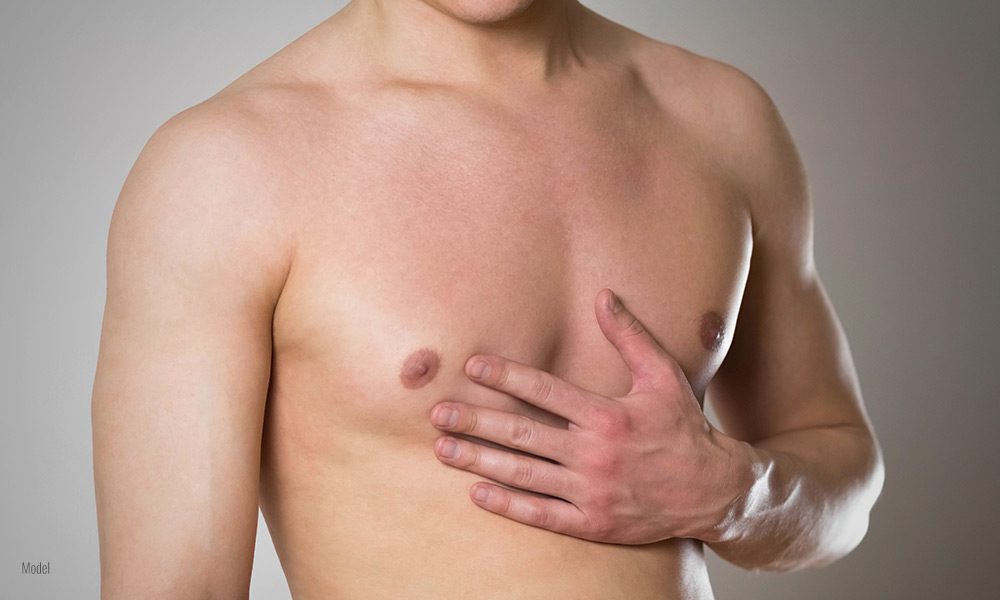
Enlarged male breasts can develop during puberty, adulthood or later life, sometimes causing physical discomfort or affecting a man’s confidence in his appearance. One possible cause is gynaecomastia, a condition involving the growth of male breast glandular tissue. This can occur when the balance between oestrogen and testosterone changes, although certain medications and underlying medical conditions may also contribute.
While man boobs removal surgery can help address persistent breast enlargement, it is not always the first step. Identifying the underlying cause is important because some cases improve naturally or respond to medical treatment and lifestyle changes. Understanding the available man boobs removal treatment options can help men make informed decisions about whether non-surgical approaches or surgery may be appropriate for their situation.
How Hormonal Changes Can Cause Gynaecomastia
Hormonal fluctuations can contribute to enlarged male breasts at different stages of life. During puberty, temporary changes in oestrogen and testosterone levels may cause breast glandular tissue to grow, with many cases resolving naturally within a few years. In adulthood, hormonal changes associated with ageing may also contribute to gynaecomastia. Other potential causes include certain medications, thyroid disorders, liver disease and conditions affecting testosterone production.
It is also important to distinguish gynaecomastia from pseudogynaecomastia, which occurs when excess fat accumulates around the chest without significant glandular enlargement. Both conditions can create a fuller chest appearance, but they may require different treatment approaches. Identifying whether the enlargement involves glandular tissue, excess fat or both helps a doctor determine the most appropriate management plan.
When Is Medical Assessment Necessary?
Men experiencing persistent or worsening breast enlargement should seek medical assessment before deciding whether treatment is necessary. A doctor can review the duration of the symptoms, current medications, medical history and any associated changes in the chest. Depending on the findings, further investigations such as blood tests or breast imaging may be recommended to identify hormonal imbalances or other underlying conditions.
Certain symptoms warrant particular attention, including a hard lump, nipple discharge, skin changes, persistent pain or enlargement affecting only one breast. Although many cases of gynaecomastia are benign, these signs should not be dismissed as ordinary hormonal changes. A proper assessment helps distinguish gynaecomastia from other causes of breast enlargement and establishes whether observation, medical treatment or a surgical approach may be appropriate. Addressing the underlying cause is an important step before considering cosmetic procedures.
Treating The Underlying Cause Before Considering Surgery
Treatment for enlarged male breasts depends on what is causing the condition. When gynaecomastia is linked to an underlying medical issue, addressing that problem may help prevent further breast enlargement and, in some cases, reduce existing symptoms. For example, a doctor may investigate and manage hormonal disorders or review medications that could be contributing to breast tissue growth. However, prescribed medication should never be stopped or adjusted without guidance from the treating doctor.
For men whose chest enlargement is primarily related to excess body fat, gradual weight loss through balanced nutrition and regular physical activity may improve the chest contour. This approach is less likely to resolve established glandular tissue. In adolescents with puberty-related gynaecomastia, observation and follow-up may be sufficient because the condition often improves naturally.
Medication and Other Non-Surgical Treatment Options
For some men, non-surgical treatments may help manage gynaecomastia, particularly when breast enlargement has developed recently or is associated with tenderness. A doctor may consider medication such as tamoxifen in selected cases, although its use for gynaecomastia may be off-label and its effectiveness varies. Such medication is not suitable for everyone and should only be considered following an appropriate medical assessment. Lifestyle changes may also help when excess body fat contributes to a fuller chest.
A balanced diet, regular exercise and gradual weight management can reduce overall body fat, although exercise cannot specifically target fat around the breasts or reliably eliminate glandular tissue. Men should also be cautious about supplements marketed to balance hormones or reduce male breast enlargement, as their effectiveness and safety may not be established. When breast enlargement persists despite these measures, further assessment can help determine whether other treatment options should be explored.
When Man Boobs Removal Surgery May Be Considered
When enlarged male breasts persist despite addressing underlying causes and considering suitable non-surgical treatments, surgery may be an option. The appropriate approach depends on whether the enlargement is caused by excess fat, glandular tissue or a combination of both. Liposuction may be used to remove excess fat and improve chest contours, while surgical excision removes firm glandular tissue that cannot be adequately addressed through liposuction alone.
In some cases, both techniques are combined to achieve a more balanced chest appearance. Men who have experienced significant weight loss and are left with considerable loose skin may also require skin removal. Before proceeding with man boobs removal surgery, a plastic surgeon will assess the chest, skin elasticity, medical history and treatment goals. This consultation helps determine which technique may be suitable and whether the expected benefits justify the potential risks.
Conclusion
Enlarged male breasts do not always require surgery, as some cases improve with time, lifestyle changes or treatment of underlying medical conditions. However, when glandular tissue or excess fat persists, man boobs removal may be an option worth discussing with a plastic surgeon. An individual assessment can help determine the cause of breast enlargement and identify a suitable treatment approach.
For men considering man boobs removal, our clinic offers consultations to discuss chest concerns and potential treatment options. Contact us to arrange an appointment and learn more about the available approaches. Details below:
Allure Plastic Surgery – Ptosis Surgery | Breast Augmentation | Double Eyelid Surgery
435 Orchard Rd, #22-04 Wisma Atria, Singapore 238877
Phone: +65 6734 9988
