

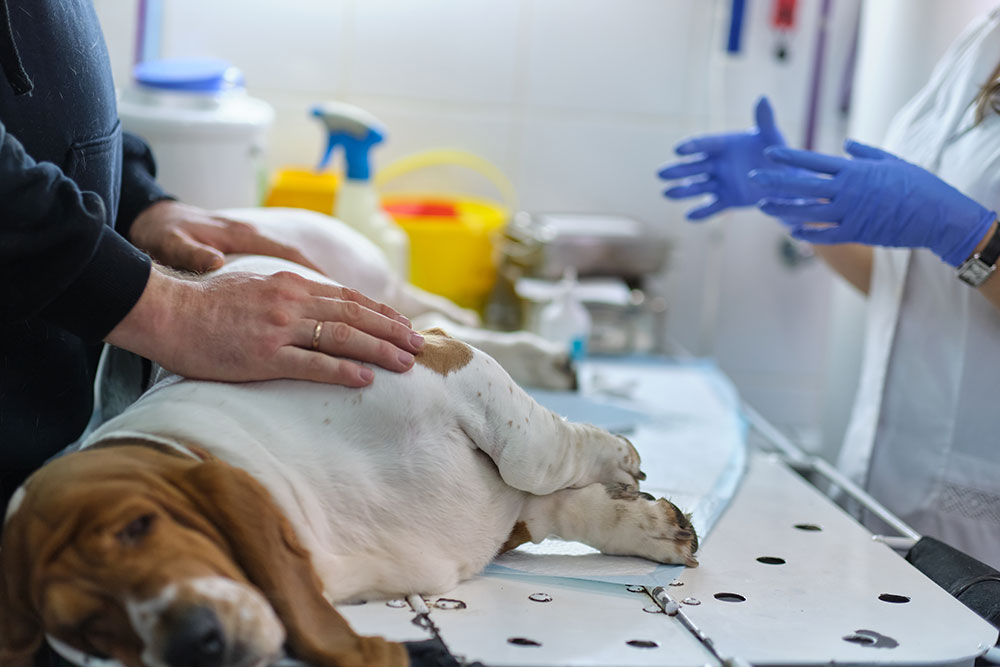
Pyometra is a potentially serious infection of the uterus that can occur in unspayed female dogs. Hormonal changes following a heat cycle may cause changes to the uterine lining, creating conditions that can increase the risk of infection. As Pyometra can progress and affect a dog’s overall health, recognising possible signs early and seeking veterinary assessment is important. If your dog appears unwell, a vet clinic Singapore pet owners trust can assess its condition and recommend appropriate care. Learn more about when to visit a vet clinic in Singapore for your pet’s health concerns.
Which Dogs Are More At Risk Of Pyometra?
Pyometra can affect any unspayed female dog, although the risk may increase with age and repeated heat cycles. The condition is more commonly seen in middle-aged and older dogs, as repeated hormonal changes can contribute to changes in the uterus over time. However, younger dogs are not completely protected from Pyometra.
Pet owners should also be aware that a dog may appear healthy between heat cycles, making routine veterinary care important for identifying potential reproductive health concerns early. If an unspayed dog develops unusual symptoms following a heat cycle, a veterinary assessment can help determine whether further investigation is needed.
Signs Of Pyometra Dog Owners Should Watch For
The signs of Pyometra can vary depending on the severity of the infection and whether the cervix is open or closed. Some dogs may show obvious vaginal discharge, while others may have no discharge at all. Common signs to look out for include:
- Vaginal discharge: Pus-like, bloody or unusual discharge may be present in dogs with open Pyometra.
- Increased thirst and urination: Affected dogs may drink and urinate more than usual.
- Reduced appetite: A dog may lose interest in food or stop eating.
- Lethargy: Your dog may appear tired, weak or less interested in normal activities.
- Vomiting: Some dogs may experience vomiting as the infection progresses.
- Abdominal swelling or discomfort: The abdomen may appear enlarged or feel painful.
- Fever or appearing unwell: Some dogs may become feverish or show signs of general illness.
It is important to note that closed Pyometra may not cause visible vaginal discharge because infected material remains inside the uterus. This can make the condition more difficult to recognise. If an unspayed female dog develops unusual symptoms, particularly following a heat cycle, prompt veterinary assessment is recommended.
Why Pyometra Can Become Serious
Pyometra can become life-threatening if treatment is delayed. As bacteria multiply in the uterus, the infection may affect the dog’s overall health and lead to serious complications. This is particularly concerning with closed Pyometra, where infected material cannot drain through the cervix. Potential complications include:
- Severe infection: Bacteria may spread beyond the uterus.
- Dehydration: Vomiting and reduced appetite can contribute to fluid loss.
- Weakness: Dogs may become increasingly lethargic or unwell.
- Abdominal discomfort: The abdomen may become swollen or painful.
- Organ complications: Severe infection can affect vital organs.
Prompt veterinary assessment is important when Pyometra is suspected. A veterinarian can determine the severity of the condition and recommend appropriate treatment.
What Happens During A Vet Clinic Singapore Consultation?
If Pyometra is suspected, a veterinarian will first assess your dog’s symptoms, medical history and recent heat cycles. A physical examination may be followed by diagnostic tests to determine whether an infection is present and assess your dog’s overall condition. Depending on the findings, these may include:
- Blood tests to look for signs of infection and assess organ function.
- Abdominal ultrasound to examine the uterus and identify fluid or other abnormalities.
- X-rays to help assess the size and appearance of the uterus.
- Further monitoring if your dog is unwell or requires supportive care.
The tests recommended can vary between dogs. Early assessment at a vet clinic Singapore pet owners can access promptly may help identify Pyometra and determine the appropriate course of treatment.
How Is Pyometra Treated?
Treatment for Pyometra depends on the dog’s overall health, the severity of the infection and whether the cervix is open or closed. In many cases, ovariohysterectomy (spay surgery) is recommended to remove the infected uterus and ovaries. This can be an important treatment option when the infection is significant.
Depending on the dog’s condition, treatment may also involve:
- Intravenous fluids to support hydration and circulation.
- Antibiotics to help manage bacterial infection.
- Pain relief and monitoring to support recovery.
- Close observation before and after surgery, particularly if the dog is seriously unwell.
Medical management may be considered in selected cases but is not suitable for every dog.
Conclusion
Pyometra can develop quickly and may become serious without timely treatment. Recognising changes in your dog’s behaviour, appetite, thirst or vaginal discharge and seeking veterinary assessment early can help ensure appropriate care. For unspayed female dogs, discussing preventive options such as spaying with a veterinarian can also help reduce the risk of Pyometra.
Concerned that your dog may have Pyometra? Arrange a veterinary consultation to discuss your dog’s symptoms and appropriate next steps. Contact our pet clinic at:
Dr Paws Vet Care – Pets/Pocket Pets Health Checks, Vaccinations and Surgeries
77 Lucky Heights, Lucky Court (off Upper East Coast Road), Singapore 467626
Phone: +65 6243 4668
